
By Swann Collins, investor, writer and consultant in international affairs – Eurasia Business News. September 9, 2024. Article no 1228.
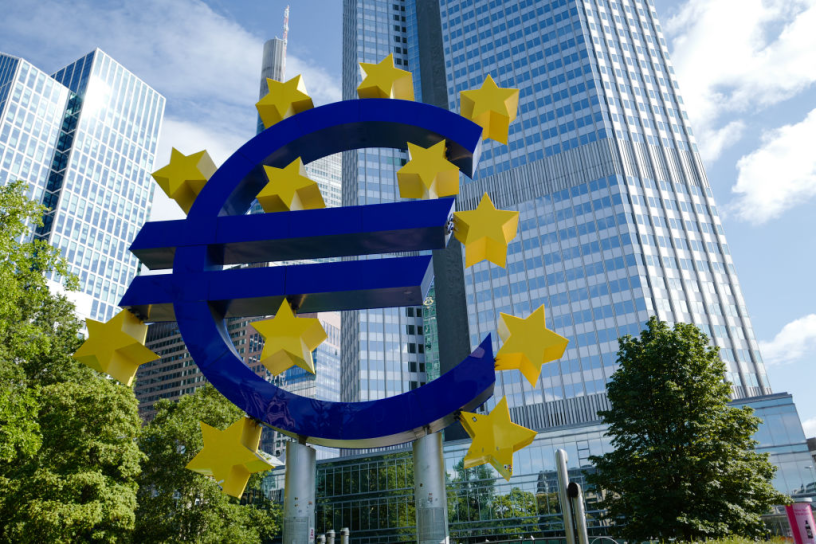
After tightening its monetary policy 10 times in 15 months, the European Central Bank (ECB) cut its key rates for the second time this year on 12 September.
The European Central Bank (ECB) has cut interest rates once again today as economic growth in the eurozone continues to falter. This decision comes amid slowing inflation and concerns about potential recession risks. The last cut of rates was in June.
The ECB lowered its deposit rate by 25 basis points to 3.50%. This move follows a similar cut in June and brings the rate closer to the ECB’s 2% inflation target.
The Central Bank noted that the pace of inflation had fallen sharply in the euro zone, approaching the 2% target set by the authorities. From 2.6% in July, this rate fell to 2.2% in August, according to a first estimate by Eurostat, the statistical office of the European Union. A year earlier, the price increase reached 5.3%, for example. And at its peak, in October 2022, inflation peaked at 10.6%. “According to our staff, headline inflation is expected to average 2.5% in 2024, 2.2% in 2025 and 1.9% in 2026,” the ECB said.
The decision was widely anticipated by markets and economists. In addition to the deposit rate cut, the ECB also made a technical adjustment to its refinancing rate:
- The refinancing rate was cut by 60 basis points to 3.65%
- This narrows the gap between the deposit and refinancing rates to 15 basis points, down from the previous 50 basis point spread
Several factors influenced the ECB’s decision:
- Inflation is now within striking distance of the 2% target
- The eurozone economy is skirting close to recession
- Economic growth forecasts for this year have been slightly lowered
However, the ECB’s outlook remains mixed. While overall inflation pressures are moderating, wage growth continues to sustain some inflationary pressure.
The ECB has not provided clear guidance on its next steps, maintaining a data-dependent, meeting-by-meeting approach to policy decisions. This cautious stance reflects:
- Uncertainty about future economic conditions
- Divided opinions among policymakers about the pace of further rate cuts
Financial markets are pricing in another rate cut by December, with a 30-50% chance of an interim move in October. However, some ECB policymakers prefer a more gradual approach to easing, given that inflation still exceeds the 2% target. As the economic situation continues to evolve, the ECB will likely monitor key indicators closely to determine the timing and magnitude of any future rate adjustments.
Our community already has nearly 135,000 readers!
Subscribe to our Telegram channel
Follow us on Telegram, Facebook and Twitter
© Copyright 2024 – Eurasia Business News. Article no. 1228
 Eurasia Business News