
By Swann Collins, investor, writer and consultant in international affairs – Eurasia Business News. November 6, 2024. Article no 1289.
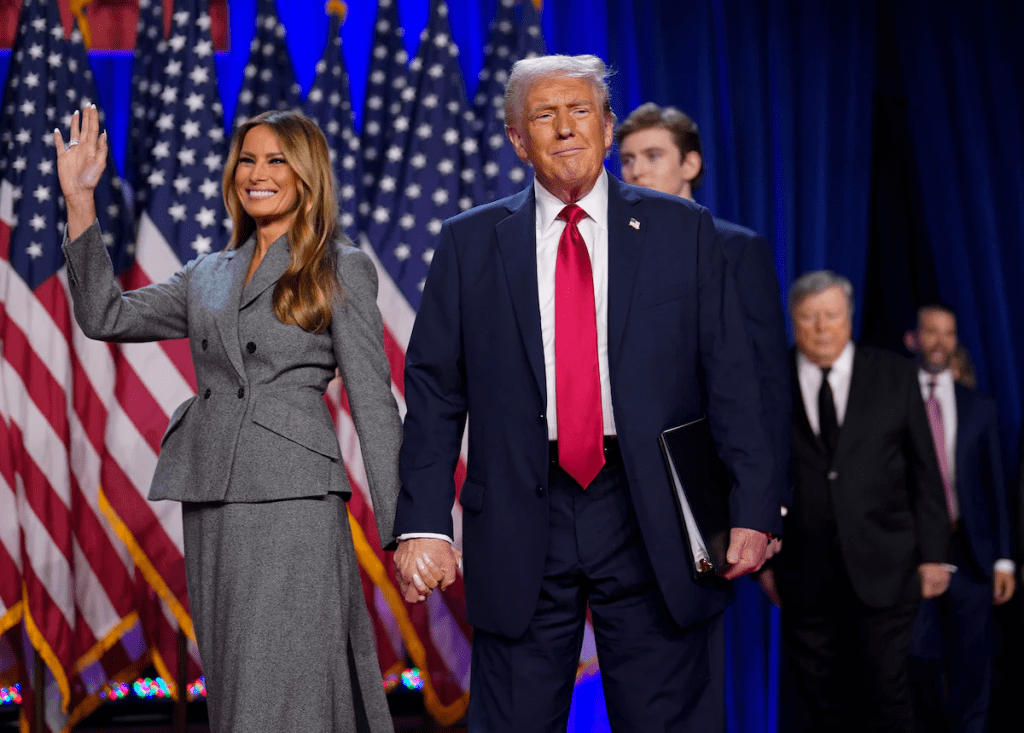
Donald Trump’s successful appeal to American voters regarding the economy during his campaign leading to his landslide victory on November 5 can be attributed to several strategic factors and policy proposals that resonated with constituents.
Economic Messaging and Voter Concerns
Addressing Inflation: Trump effectively tapped into public frustration over inflation, promising to eliminate it entirely if re-elected. This message was particularly compelling for voters grappling with rising prices, as many Americans identified economic issues as their top concern in recent polls.
Perceived Economic Competence: A significant portion of voters (54%) believed Trump was better suited than Kamala Harris to handle economic matters, which bolstered his image as a competent leader in times of economic uncertainty.
Policy Proposals
Tax Cuts and Extensions: Trump pledged to extend the provisions of the 2017 Tax Cuts and Jobs Act (TCJA), which included substantial tax cuts for individuals and corporations. His proposals aimed at lowering the corporate tax rate from 21% to 15%, alongside eliminating taxes on tips and Social Security benefits, were designed to appeal to both businesses and middle-class families.
Read also : Gold : Build Your Wealth and Freedom
Trade Protectionism: Trump’s strategy includes imposing high tariffs on imports, particularly targeting China with proposed tariffs as high as 60%. He argued that these measures would protect American jobs and incentivize domestic manufacturing, a message that resonated with voters concerned about job losses due to globalization.
Economic Performance Context
Inheriting Economic Growth: While critics argue that Trump benefited from an already improving economy inherited from the Obama administration, he successfully framed the narrative that his policies were responsible for continued growth. Before the pandemic, unemployment rates had fallen to historic lows, which he highlighted as a success of his administration.
Pandemic Recovery Efforts: Trump’s administration implemented significant fiscal measures during the COVID-19 pandemic, including the $2 trillion Coronavirus Aid, Relief, and Economic Security Act (CARES). This act helped maintain family incomes during a critical period, allowing him to position himself as a protector of American workers.
Voter Engagement Strategies
Targeting Diverse Demographics: Trump’s campaign utilized innovative outreach strategies through social media and influencer partnerships to connect with younger voters and disenchanted minority groups. This approach expanded his electoral base beyond traditional Republican supporters.
Promises of Energy Cost Reductions: Trump also promised to cut energy costs significantly by expanding oil and gas drilling, claiming he could lower gas prices dramatically. This promise was aimed at addressing one of the major components of inflation affecting American households.
In summary, Trump’s ability to win over Americans on economic issues stemmed from a combination of effective messaging about inflation, strategic tax proposals, protectionist trade policies, and a narrative of economic competence. These factors collectively helped him secure voter support amid ongoing economic challenges.
Our community already has nearly 140,000 readers!
Subscribe to our Telegram channel
Follow us on Telegram, Facebook and Twitter
© Copyright 2024 – Eurasia Business News. Article no. 1286
 Eurasia Business News