
By Anthony Marcus, correspondent. Eurasia Business News, November 19, 2024. Article no.1313.
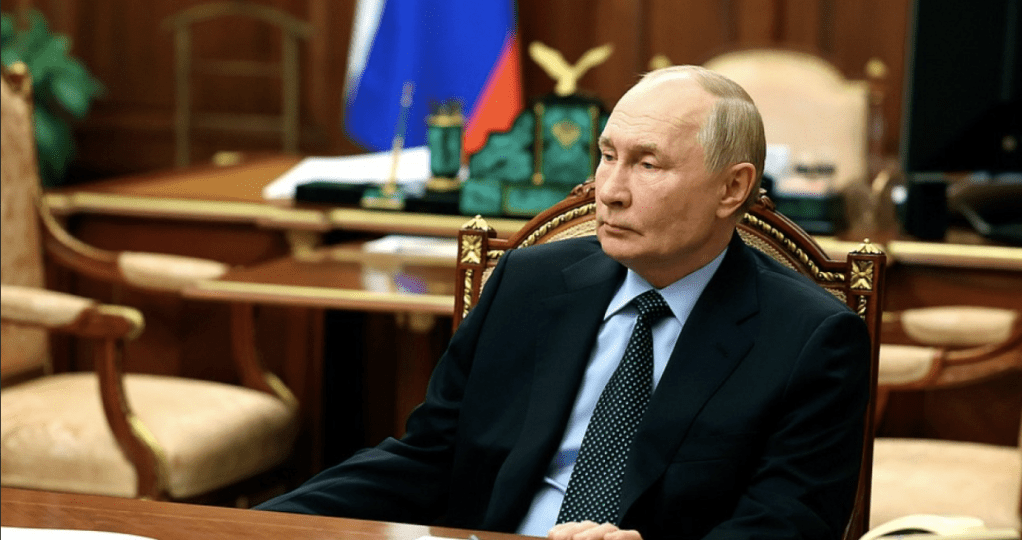
Russian President Vladimir Putin has officially revised the country’s nuclear doctrine, significantly lowering the threshold for the potential use of nuclear weapons. This update, signed on November 19, coincides with the 1,000th day since the onset of the Ukraine conflict and follows a recent U.S. decision allowing Ukraine to strike targets within Russia using American-supplied long-range missiles.
According to the document, Russia considers nuclear weapons as “a means of deterrence, the use of which is an extreme and forced measure.”
The Russian state policy in the field of nuclear deterrence is defensive in nature, according to the text. It guarantees the protection of the territorial integrity of the state. In the event of a conflict, state policy is designed to prevent the escalation of hostilities, as well as to stop them on terms favorable to Moscow.
Nuclear weapons are considered by the Russian state as a means of deterrence, the use of which is an extreme and necessary measure. The text of the document notes that Russia is making all necessary efforts to reduce the nuclear threat and prevent the aggravation of interstate relations, which can provoke conflicts, including nuclear ones.
Key points of the revised nuclear doctrine include:
Collective Assault Definition: The new doctrine states that any conventional attack on Russia by a non-nuclear state, if supported by a nuclear power, will be deemed a collective assault on Russia. This broadens the criteria under which Russia might consider using its nuclear arsenal to protect its territory and its independence.
Triggers for Nuclear Response: The updated policy specifies that a significant aerial attack involving missiles, drones, or aircraft could justify a nuclear response. This marks an expansion from previous guidelines that primarily focused on ballistic missile threats.
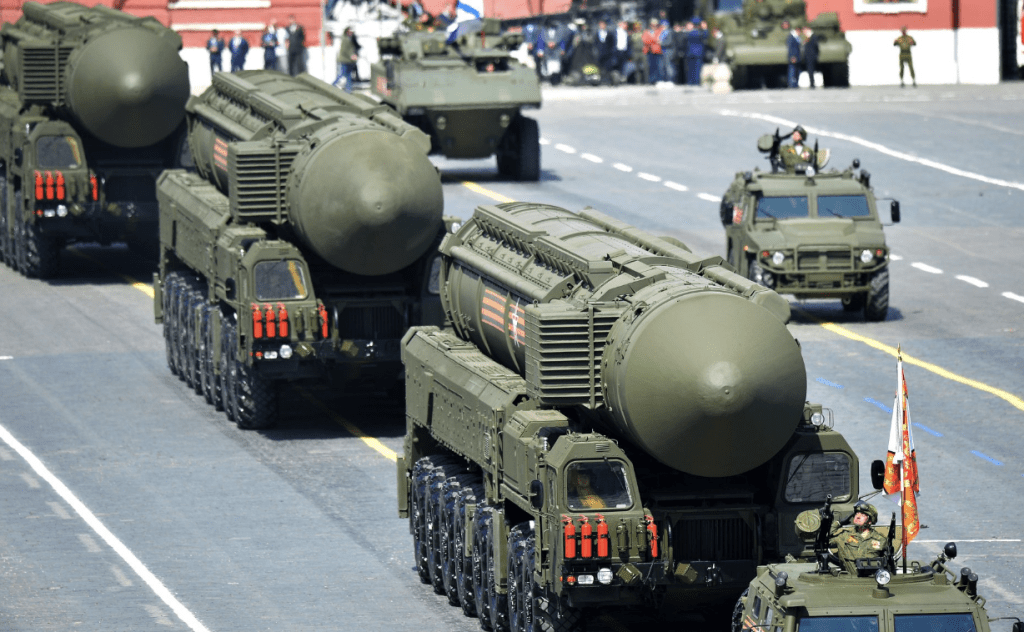
Nuclear umbrella for Belarus: The doctrine also includes provisions for responding with nuclear weapons to aggression against Belarus, reflecting Moscow’s commitment to its ally amid ongoing tensions in the region.
Geopolitical Context: Kremlin spokesperson Dmitry Peskov emphasized that these changes were necessary to align with the current geopolitical situation, particularly in light of Western support for Ukraine. He indicated that the revisions serve as a warning to NATO and other nations involved in supporting Ukraine against Russia.
This strategic shift underscores Russia’s readiness to leverage its nuclear capabilities as a deterrent amid escalating hostilities and reflects growing concerns about Western military support for Ukraine.
Our community already has nearly 145,000 readers!
Subscribe to our Telegram channel
Follow us on Telegram, Facebook and Twitter
© Copyright 2024 – Eurasia Business News. Article no. 1313.
 Eurasia Business News