
By John Meyer, consultant in financial affairs – Eurasia Business News, January 2, 2025. Article No 1359.
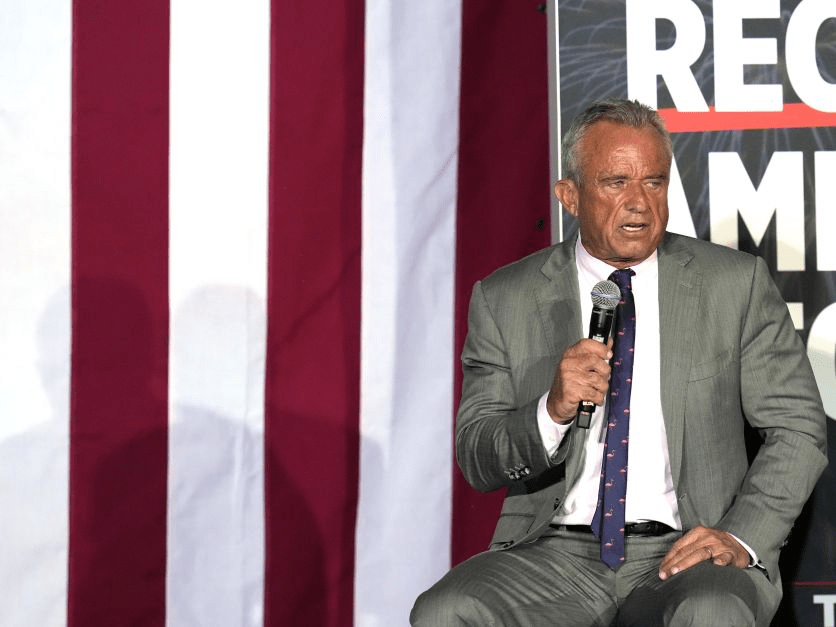
Robert F. Kennedy Jr.’s strong opposition to pharmaceutical advertisements on television could significantly impact the advertising industry, particularly if he assumes a leadership role in the upcoming Trump administration. His stance reflects a broader critique of how these ads influence public perception and healthcare outcomes.
If Kennedy is confirmed, he would gain oversight of the Food and Drug Administration, the agency that set off a boom in drug advertising when it relaxed its policies about direct-to-consumer pharmaceutical advertising in 1997.
Key Points of RFK Jr.’s Position
Health Concerns: Kennedy argues that drug advertisements mislead U.S. consumers into seeking ineffective medications, contributing to poor health outcomes in the U.S. He believes that the marketing strategies employed by pharmaceutical companies do not enhance public health and instead promote unnecessary consumption of medications.
Media Influence: He contends that pharmaceutical companies use advertising revenue to exert influence over media coverage, which may suppress critical reporting about the industry. Kennedy has claimed that major news networks are effectively “pharmaceutical representatives,” suggesting a conflict of interest due to their reliance on drug ad revenue.
Historical Context: The idea of banning drug ads is not new; since the FDA allowed direct-to-consumer (DTC) advertising in 1997, there have been numerous calls for restrictions. However, past attempts have largely failed due to First Amendment protections for commercial speech, making any potential ban a complex legal challenge.
Potential Implications for the Ad Industry
Revenue Impact: Pharmaceutical companies invest heavily in television advertising—approximately $18 billion annually—with a significant portion going to DTC ads. A ban or even stringent regulations could threaten this revenue stream, potentially leading drugmakers to rethink their marketing strategies.
Read also : Gold : Build Your Wealth and Freedom
Shift in Marketing Strategies: If a ban were enacted, companies might pivot towards alternative marketing methods, such as increasing professional marketing directed at healthcare providers or enhancing public relations efforts. This shift could also lead to a greater emphasis on non-traditional advertising channels that are less regulated.
Regulatory Environment: Should Kennedy become health secretary, he might push for new regulations that increase scrutiny on pharmaceutical advertising practices. This could involve heightened requirements for transparency regarding drug risks and benefits in advertisements, as recently mandated by the FDA.
Industry Response
The pharmaceutical industry is taking Kennedy’s threats seriously, engaging in scenario planning to prepare for potential changes. Media outlets and advertisers are also likely evaluating their dependence on pharmaceutical ad revenues and considering how they might adapt if significant regulatory changes occur.
Read also : Start investing in Bitcoin using Coinbase
In summary, while banning drug TV commercials presents substantial legal and practical challenges, Robert F. Kennedy Jr.’s advocacy against them could catalyze significant shifts within the advertising landscape, prompting drugmakers to reconsider their promotional strategies and possibly leading to more stringent regulations on pharmaceutical advertising practices.
Robert F. Kennedy Jr. (RFK Jr.), born on January 17, 1954, is an American environmental attorney, activist, and politician, notable for his vocal stance on various public health issues, particularly vaccines. He is a member of the prominent Kennedy family, being the son of Robert F. Kennedy and the nephew of President John F. Kennedy.
Our community already has nearly 145,000 readers!
Subscribe to our Telegram channel
Follow us on Telegram, Facebook and Twitter
© Copyright 2024 – Eurasia Business News. Article no. 1359.
 Eurasia Business News