
By Swann Collins, investor, writer and consultant in international affairs – Eurasia Business News. January 13, 2025. Article no 1373.
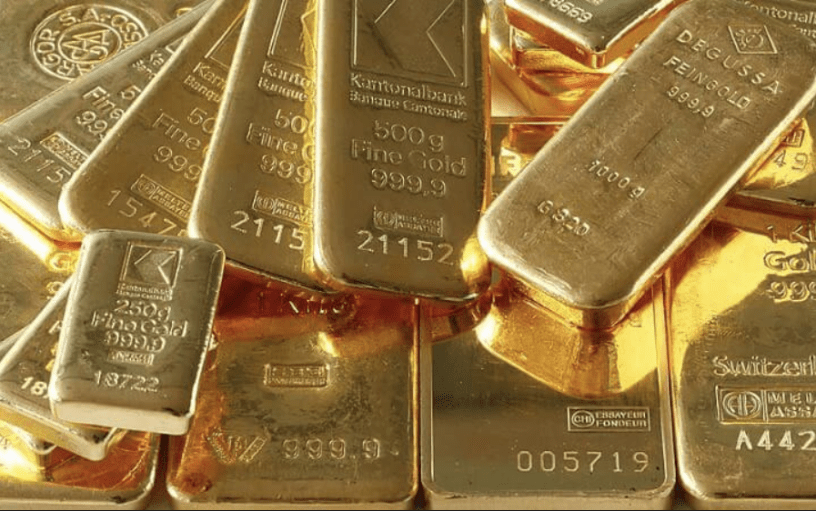
In November, global central banks collectively added 53 tons of gold to their reserves, continuing a strong trend of gold accumulation amid economic uncertainties. This data, reported by the World Gold Council, highlights the ongoing demand for gold as a stable asset.
“November was another month of gold purchases, central banks, judging by the available data, added a total of 53 tons to official reserves. This continues the trend observed throughout the year: central banks, mainly from developing countries, remained active buyers of gold, driven by the desire to find a stable and reliable asset in the face of global economic uncertainty,” writes WGC analyst Krishan Gopol.
Major Buyers: The National Bank of Poland emerged as the largest buyer, increasing its reserves by 21 tons, bringing its total to 448 tons. This purchase solidified Poland’s position as the top gold buyer for the year with a year-to-date total of 90 tons.
Other Notable Purchases:
The Central Bank of Uzbekistan added 9 tons, marking its first purchase since July and increasing its total holdings to 382 tons.
The Reserve Bank of India contributed 8 tons, raising its total reserves to 876 tons, making it the second-largest buyer in 2024.
The National Bank of Kazakhstan increased its reserves by 5 tons, reversing its status to a net purchaser with total holdings now at 295 tons.
The People’s Bank of China resumed purchases after a six-month hiatus, adding 5 tons to reach a total of 2,264 tons.
Market Dynamics: The sustained demand for gold reflects central banks’ strategies to bolster their reserves amidst fluctuating global markets and inflationary pressures. The recent dip in gold prices may have further incentivized these purchases.
Sales Activity: In contrast, the Monetary Authority of Singapore was the largest seller during November, reducing its gold reserves by 5 tons, bringing its year-to-date net sales to 7 tons.
Read also : Gold : Build Your Wealth and Freedom
This trend underscores the enduring appeal of gold as a secure asset for central banks globally, with expectations that they will continue to be substantial net purchasers in the future.
The minimum price of gold in 2024 was $1997 per ounce, the maximum was $ 2,792. The consensus forecast for 2025 assumes an increase in these indicators to $ 3,000 per ounce.
Gold is a hard asset that keeps value in times of inflation. One gold coin will always feed your family for a week. In 2023, central banks added 1,037 tonnes of gold – the second highest annual purchase in history – following a record high of 1,082 tonnes in 2022.
Gold is a long-term store of value and this storage capacity is standardized internationally. Each troy ounce of gold has the same value. The yellow metal is an asset with intrinsic value in itself, capable of maintaining its purchasing power throughout the centuries and around the world.
Donald Trump’s return to power in the United States is expected to further worsen relations between the United States and China and would lead to an increase in geopolitical risks and demand for the precious metal.
Our community already has nearly 145,000 readers!
Subscribe to our Telegram channel
Follow us on Telegram, Facebook and Twitter
© Copyright 2025 – Eurasia Business News. Article no. 1373.
 Eurasia Business News