
By Alexander Miller, consultant in energy markets. Eurasia Business News, March 21, 2025. Article n°1458.
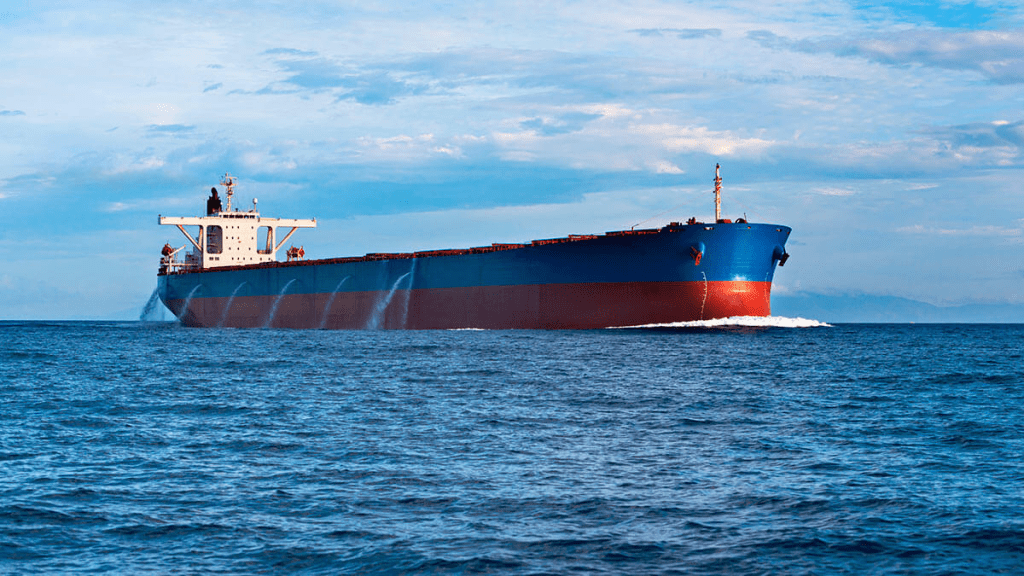
The new U.S. sanctions targeting a Chinese “teapot” refinery and vessels involved in shipping Iranian oil are expected to slow but not completely halt China’s imports of Iranian crude. These sanctions, part of President Trump’s “maximum pressure” campaign, aim to reduce Iran’s oil exports to zero by targeting entities that facilitate these transactions.
Sanctions Impact
The sanctions have increased shipping costs and may temporarily reduce Iranian oil shipments to China. However, traders believe that buyers will find ways to maintain some imports, possibly by rebranding oil as originating from other countries, such as Malaysia.
China’s imports of Iranian oil rebounded in February to 1.43 million barrels per day, up from 898,000 bpd in January, indicating a strong demand that is likely to continue despite sanctions.
Chinese Response
China has expressed opposition to the U.S. sanctions, viewing them as “illegal and unjustifiable unilateral actions”. Beijing continues to defend its trade relations with Iran as legitimate.
China’s energy security is heavily reliant on Iranian oil, which accounts for about 15% of its total oil imports.
Market Dynamics
The sanctions have led to an increase in oil prices due to concerns about global supply disruptions. This escalation in U.S. sanctions could further tighten global crude supplies and lead to higher prices amid rising geopolitical tensions.
Strategic Implications
The U.S. strategy to target Chinese refineries directly marks a significant escalation in its efforts to limit Iran’s oil exports. This move could prompt China to strengthen its energy supply chain resilience against future sanctions.
Read also : Gold : Build Your Wealth and Freedom
In summary, while the new sanctions will likely slow China’s Iranian oil imports, they are unlikely to completely stop them. China’s commitment to maintaining trade with Iran, combined with the use of workarounds such as rebranding oil, suggests that some level of imports will continue despite U.S. pressure.
Our community already has nearly 150,000 readers!
Subscribe to our Telegram channel
Follow us on Telegram, Facebook and Twitter
© Copyright 2025 – Eurasia Business News. Article no. 1458.
 Eurasia Business News