
By Nathan Meyer, consultant in compliance. Eurasia Business News, July 18, 2025. Article n°1636.
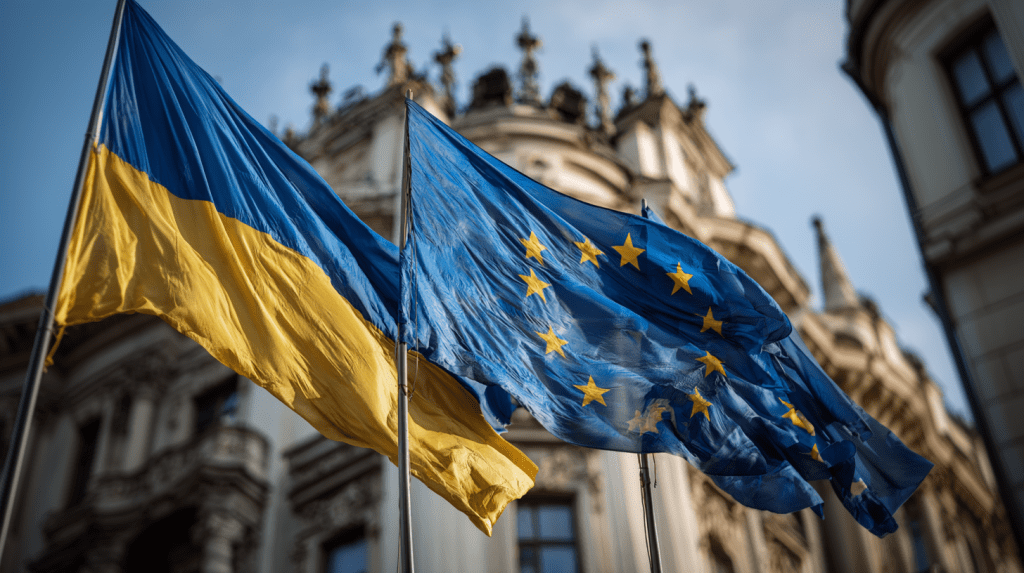
The European Union has adopted its 18th package of sanctions against Russia in response to the ongoing war in Ukraine, despite resistance from Slovakia. The breakthrough came after Slovak Prime Minister Robert Fico lifted his veto following written assurances from the European Commission regarding Slovakia’s concerns about the planned phase-out of Russian gas by 2027, which Slovakia fears would jeopardize its energy security and economy.
Key elements of the sanctions package include:
- Lowering the G7 price cap on Russian crude oil from $60 to $47.6 per barrel, turning it into a dynamic mechanism set 15% below the average market price to further limit Russia’s oil revenues.
- Measures targeting Russia’s energy and financial sectors, including bans on transactions with 22 Russian banks, the Russian Direct Investment Fund and its subsidiaries, and the underwater Nord Stream 1 and 2 pipelines, preventing their future use for gas transit.
- Sanctions on over 100 vessels from Russia’s “shadow fleet”—aging tankers used to bypass the oil price cap—which are now denied access to EU ports and services, increasing the total blacklisted shadow fleet vessels to over 400.
- Restrictions on technology exports linked to drone manufacturing and measures against entities involved in indoctrinating Ukrainian children, expanding the scope of sanctions beyond the economic and military domains.
This sanctions package is regarded as one of the EU’s strongest to date, aiming to deprive Russia of crucial revenues to sustain its war effort in Ukraine. EU foreign policy chief Kaja Kallas emphasized that economic pressure will continue until Moscow ends its aggression.
Slovakia’s previous opposition delayed the package because it feared the gas phase-out would raise energy prices and weaken competitiveness of the Slovakian companies. After intense diplomatic engagement, including interventions by EU leaders and promises of possible state aid and support in case of extreme price spikes, Slovakia agreed to lift its veto but pledged to continue pushing for safeguards regarding the gas phase-out.
This new round of sanctions underscores the EU’s commitment to escalating pressure on Russia despite internal challenges, with additional backing from some international actors like the United States, which is increasing military aid to Ukraine but has not supported lowering the oil price cap.
The EU’s 18th sanctions package tightens economic pressure on Russia by lowering the oil price cap, restricting energy and banking transactions, banning shadow fleet ships, and imposing new measures on military and ideological fronts, achieved after Slovakia lifted its veto amid energy security concerns.
Our community already has nearly 150,000 readers!
Subscribe to our Telegram channel
Follow us on Telegram, Facebook and Twitter
© Copyright 2025 – Eurasia Business News. Article no. 1636.
 Eurasia Business News