
By Alexander Miller, consultant in energy markets. Eurasia Business News, July 21, 2025. Article n°1639.
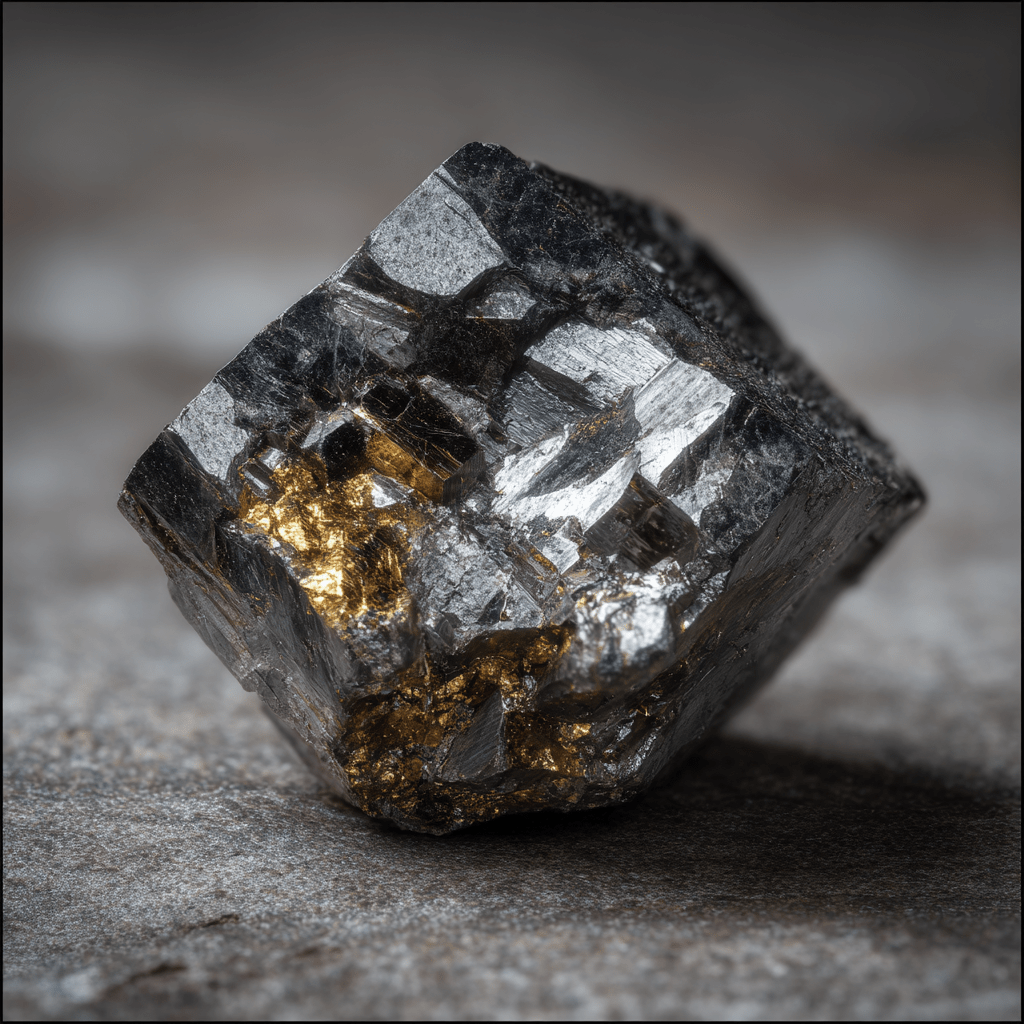
In June China’s rare earth magnet exports to the United States surged dramatically, rising by 660% compared to May, reaching 353 metric tons. This sharp increase followed a Sino-US trade agreement reached in June that resolved previous restrictions and trade disputes affecting shipments of rare earth minerals and magnets.
The surge marks a significant recovery after China had imposed export restrictions in April 2025 in retaliation for U.S. tariffs, which caused a sharp decline in shipments in April and May and disrupted global supply chains. The restrictions had led to production halts for some automakers outside China due to shortages of these critical minerals essential for electric vehicles and wind turbines.
Read also : Five Good Reasons to Own Gold Now
Overall, China exported 3,188 tons of rare earth permanent magnets globally in June — a 157.5% rise from 1,238 tons in May — although this figure remains 38.1% lower than June 2024 levels. Analysts expect further recovery in exports in July as more exporters obtained licenses in June.
The agreement also included plans for chipmaker Nvidia to resume sales of its H20 AI chips to China as part of easing trade tensions.
Read also : Gold : Build Your Wealth and Freedom
June saw a sharp rebound in China’s rare earth magnet exports to the U.S. due to a new trade pact that lifted prior restrictions, helping to stabilize critical supply chains in strategic sectors like EVs and renewable energy.
After negotiations, the U.S. agreed to reduce tariffs on Chinese imports to a flat rate of 55% from the previous 145%, while China reciprocated by easing restrictions on key exports, including rare earth minerals and magnets critical for technology and manufacturing.
The deal resembles the Phase 1 trade agreement from the Trump administration (2017-2020), focusing on China committing to increased purchases of U.S. agricultural and industrial products to address trade imbalances, though deeper structural issues remain largely unaddressed.
Our community already has nearly 150,000 readers!
Subscribe to our Telegram channel
Follow us on Telegram, Facebook and Twitter
© Copyright 2025 – Eurasia Business News. Article no. 1639.
 Eurasia Business News