
By Swann Collins, investor, writer and consultant in international affairs – Eurasia Business News. July 27, 2025. Article no 1655.
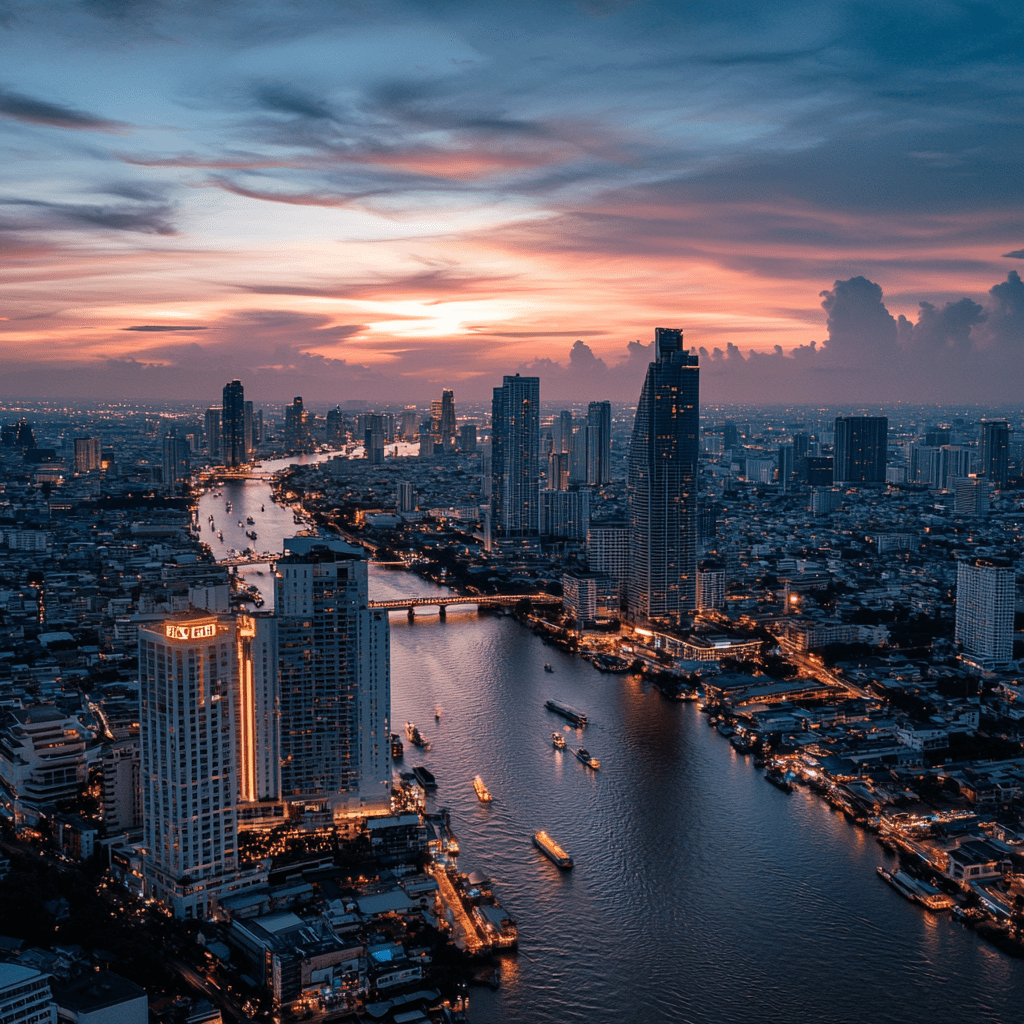
Former Thai Prime Minister Thaksin Shinawatra has proposed a golden visa scheme for Thailand aimed at attracting 600,000 wealthy foreigners, each depositing US$1 million in exchange for long-term residency and the right to purchase property.
Thaksin argues this would inject fresh capital into the thai economy, potentially driving GDP growth, reducing public debt, spurring domestic consumption, and boosting the property market and investment. He suggested that proceeds could be used to fund education and other public needs. This proposal was presented as a strategic way to revive Thailand’s sluggish economy, which has been experiencing slow growth and challenges such as declining Chinese tourist arrivals.
In conjunction with the golden visa plan, Thaksin also called on Airports of Thailand (AOT) to raise passenger service fees by up to 300 baht (approximately US$9.22) per traveler—a roughly 40% hike. This increase could generate about 40 billion baht annually. Thaksin sees this as a way to fund upgrades for Thailand’s major airports and help position the country as a leading aviation hub in Southeast Asia. The rise in fees includes passenger service charges as well as landing, parking, transit, and transfer fees. This move is part of broader efforts to boost revenue and reinvest in aviation infrastructure to further stimulate economic growth.
Read also : Gold : Build Your Wealth and Freedom
However, the planned tourist entry fee—a separate charge of 300 baht for air travelers meant to fund tourist insurance and infrastructure—was postponed until at least mid to late 2026 due to concerns over falling tourist numbers and economic conditions. This postponement aims to avoid deterring tourists during a period of recovery following recent declines in visitor arrivals.
Thaksin is promoting a combination of policies involving the golden visa and higher travel-related fees as part of a vision to inject substantial foreign capital into Thailand’s economy and improve tourism infrastructure to foster long-term growth and recovery. These measures respond to economic challenges including low GDP growth, high household debt, and reduced tourist traffic from key markets like China.
Read also : Tax Management strategies for Digital Nomads
As of the end of 2024, the Thailand Board of Investment (BOI) had endorsed more than 6,000 Long-Term Resident (LTR) Visa applications. This number reflects the total endorsements granted since the program’s launch in September 2022, with the majority of approvals occurring through 2024.
The Thailand Long-Term Resident (LTR) visa grants long-term residency to certain categories of foreigners, aiming to attract wealthy individuals, retirees, professionals working remotely, and highly-skilled experts. The LTR visa offers a renewable 10-year visa with multiple entries, permission to work in Thailand, and other benefits like fast-track airport service and eased reporting requirements. However, such foreigners can’t buy property directly in Thailand.
Read also : Why Digital Nomads love living in Da Nang, Vietnam ?
Our community already has nearly 150,000 readers!
Subscribe to our Telegram channel
Follow us on Telegram, Facebook and Twitter
© Copyright 2025 – Eurasia Business News. Article no. 1655.
 Eurasia Business News