
By Paul de Neuville, Paris correspondent, for Eurasia Business News – October 2, 2025. Article no. 1811.
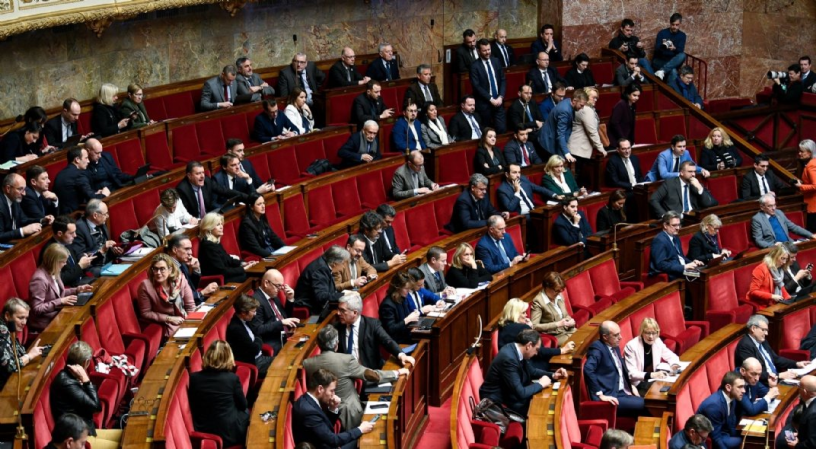
The Zucman tax, which is making headlines in France and is seen as a threat to the Lecornu government, is a proposed minimum wealth tax of 2% annually on individuals with assets exceeding €100 million. This tax specifically targets ultra-rich households—about 1,800 in France—with the goal of addressing what economist Gabriel Zucman identifies as a tax inequality where the ultra-wealthy pay proportionally less tax than the average citizen.
The tax aims to ensure that wealthy individuals pay a minimum effective wealth tax, correcting the current system where billionaires may pay as little as 0.3% on their total net worth in taxes. Gabriel Zucman argues this tax could bring in approximately €20 billion annually to help close France’s budget deficit without cutting social spending. The tax would include all assets, including professional and financial assets, unlike the current real estate wealth tax which only covers property.
However, the proposal is highly controversial and has sparked intense political debate. Opponents argue it risks promoting tax flight and could harm investments, particularly for entrepreneurs and family businesses who might face liquidity issues or be forced to sell shares. Political leaders including the French Prime Minister have voiced opposition, fearing it may destabilize the government and the economy. Critics also dispute the projected revenue, with some estimates as low as €5 billion due to potential avoidance and optimization strategies by the wealthy.
This tax has become a symbolic battleground between calls for greater tax justice and concerns about economic competitiveness and fiscal stability, threatening the current government due to the clash with powerful business interests and political factions. This new tax is debated amid growing emigration of talented French citizens to the U.S., Canada, Singapore, Dubai, Australia, seeking higher income, less taxes, safety and better healthcare.
As of mid-2025, the debt of the French state stands at approximately €3.4 trillion, which represents about 115.6% of France’s Gross Domestic Product (GDP). This is an increase from €3.345 trillion earlier in the year. The debt-to-GDP ratio has been rising steadily over recent years, influenced by various economic challenges and public spending demands. The French government faces significant pressure to manage and reduce this high level of debt, which remains one of the key issues for the current administration.
Read also : Gold : Build Your Wealth and Freedom
Over the past 12 months, France has had four different governments under President Emmanuel Macron. In December 2024, Prime Minister Michel Barnier’s government was ousted in a confidence vote shortly after snap parliamentary elections in July 2024 resulted in a hung parliament with no majority.
Read also : Tax Management strategies for Digital Nomads
In late December 2024, François Bayrou was appointed as the fourth Prime Minister in two years but was ousted in a confidence vote on September 7, 2025. Following Bayrou’s downfall, President Macron has been tasked with appointing the young Sebastien Lecornu, as a fifth prime minister amid ongoing political deadlock and legislative fragmentation. This situation seriously weakens the standing of France on the international stage, amid strong geopolitical tensions between the West with Russia and China.
Our community already has 170,000 readers, joins us !
Subscribe to our Telegram channel
Follow us on Telegram, Facebook and Twitter
© Copyright 2025 – Eurasia Business News. Article no. 1810
 Eurasia Business News