
By Anthony Marcus for Eurasia Business News, December 13, 2025. Article n°1929
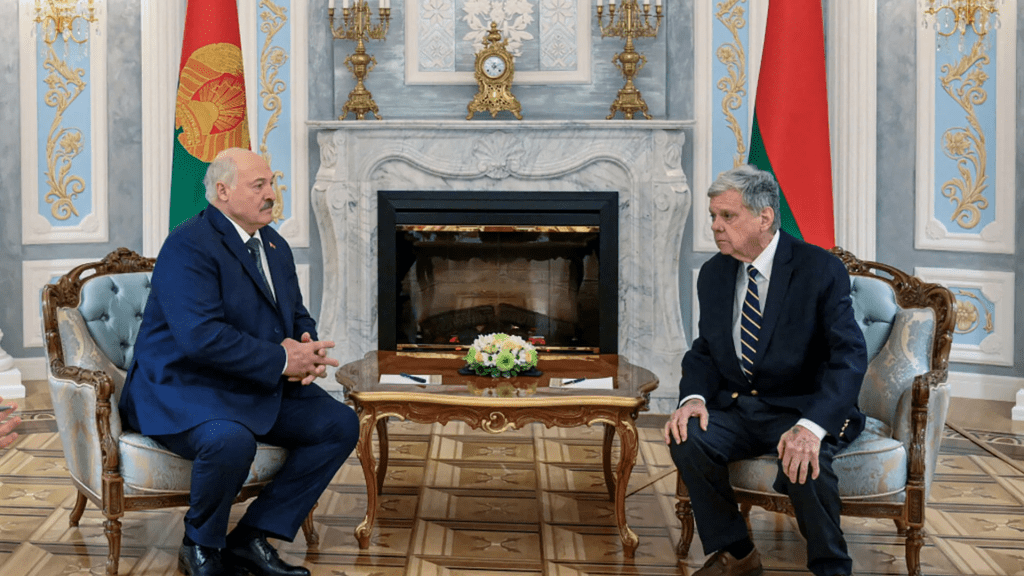
Belarus has released 123 political prisoners after a deal with the United States in which President Donald Trump agreed to ease sanctions on the country. This is one of the largest prisoner releases in Belarus in recent years and marks a notable shift in relations between Washington and Minsk.
What happened
Belarusian President Alexander Lukashenko ordered the pardon and release of 123 prisoners, widely described by Western governments and human rights groups as political detainees. The move followed two days of talks in Minsk with Trump’s special envoy, John Coale, focused on sanctions relief.
Who was freed
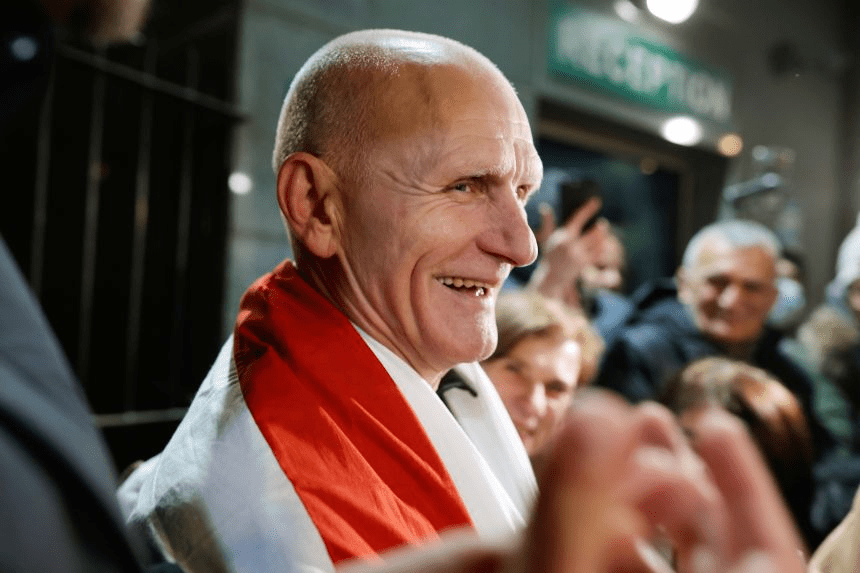
Those released include Nobel Peace Prize laureate Ales Bialiatski, a prominent human rights defender, and key opposition figure Maria Kolesnikova, who played a leading role in the 2020 protest movement. Among the 123 are citizens of several countries, including at least one U.S. citizen and multiple Ukrainians and nationals of U.S. allies.
Ales Bialiatski is a Belarusian human rights activist and the 2022 Nobel Peace Prize laureate, honored for decades of work documenting abuses and defending political prisoners in Belarus.
What the US gave in return
In return for the releases, the United States agreed to lift sanctions on Belarus’s potash and other fertilizer-related exports, a critical source of revenue for the Belarusian economy. U.S. officials say the goal is to secure the release of prisoners and reduce Lukashenko’s dependence on Russia while keeping other sanctions and political pressure in place.
Reactions and implications
Exiled Belarusian opposition leaders welcomed the prisoners’ freedom but stressed that hundreds of political prisoners remain in detention and called for continued pressure on Lukashenko. The Norwegian Nobel Committee and Western governments expressed relief at Bialiatski’s release while emphasizing that the broader human rights situation in Belarus is still repressive.
Regional dimension
Ukrainian officials reported that 114 of the freed individuals were transferred to Ukraine, with others going to Lithuania and possibly other EU countries. The episode highlights how prisoner releases, sanctions, and diplomatic outreach are being used as tools in the wider regional standoff involving Belarus, Russia, and Western states.
Our community already has 190,000 readers, joins us !
Subscribe to our Telegram channel
Follow us on Telegram, Facebook and Twitter
© Copyright 2025 – Eurasia Business News. Article no. 1929
 Eurasia Business News