
By Anthony Marcus for Eurasia Business News, January 18, 2025. Article n°1992
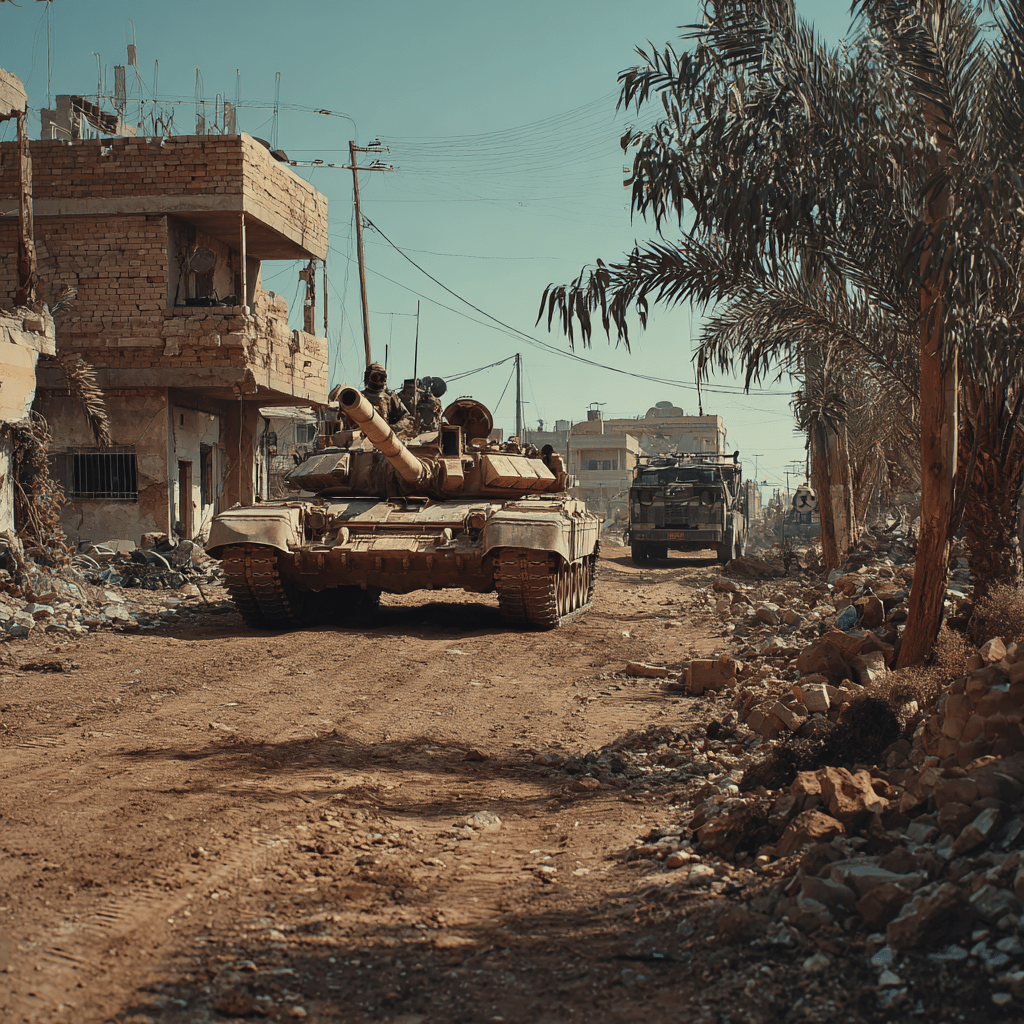
Syrian government forces have indeed launched a major offensive against Kurdish‑led Syrian Democratic Forces (SDF) positions in northern and northeastern Syria over the past several days. The campaign has rapidly shifted control of key cities and energy assets and has already prompted emergency diplomacy and calls for de‑escalation.
Syrian President Ahmed al-Shara’ last week found it unacceptable for militias to control a quarter of the country and hold on to its main oil and raw material resources.
What happened on the ground
Syrian troops, backed by allied Arab tribal militias, have pushed into long‑held SDF areas, taking towns and villages in parts of Aleppo, Raqqa, Deir ez‑Zor and moving toward Hasakah.
Government forces have captured the strategic city of Tabqa and significant stretches along the Euphrates, expelling or forcing the withdrawal of Kurdish fighters from areas they controlled for roughly a decade.
Oil, gas and key cities
The offensive has brought Syria’s largest oil field, major gas facilities and other energy assets under government control, badly weakening the SDF’s economic base.
Raqqa, the former de facto capital of ISIS and later a core of the Kurdish‑run autonomous region, is now under heavy pressure after SDF withdrawals and advancing Syrian units toward the city and surrounding countryside.
Role of Arab tribal fighters
Thousands of Arab tribal fighters have joined or coordinated with the Syrian army, spearheading attacks on SDF‑held areas and enabling rapid advances across more than 150 km of territory along the Euphrates.
These tribal forces are exploiting long‑standing grievances over conscription, governance and control of local oil wealth under the Kurdish‑led administration.
International reactions
The United States has urged Damascus to halt offensive operations against the SDF, warning that the fighting risks undermining joint efforts against ISIS remnants and stability around detention camps like al‑Hol.
European leaders, including France’s president, have expressed concern and called for an immediate end to the offensive and a negotiated framework for integrating Kurdish forces and safeguarding Kurdish and local rights.
Ceasefire and political track
Amid the rapid advances, Damascus and the SDF have now announced a ceasefire and an integration deal under which Syrian authorities will take over border crossings, oil and gas fields, prisons and camps, while vetted SDF personnel are folded into state security structures.
As part of this emerging political settlement, the Syrian government has pledged unprecedented recognition of Kurdish cultural and linguistic rights, though how this will work in practice remains uncertain and will depend on implementation on the ground.
Our community already has nearly 200,000 readers!
Subscribe to our Telegram channel
Follow us on Telegram, Facebook and Twitter
© Copyright 2025 – Eurasia Business News. Article no. 1992
 Eurasia Business News