
By Swann Collins, investor and consultant in international affairs – Eurasia Business News, February 1st, 2026. Article no. 2020
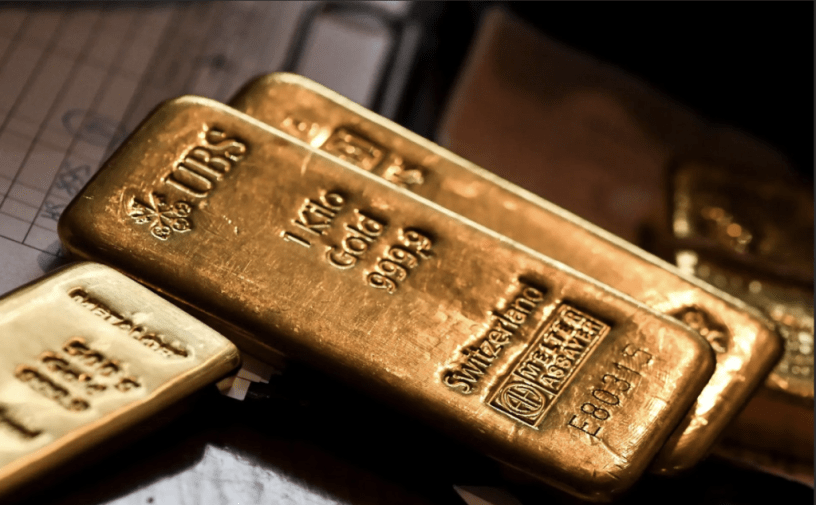
Global gold demand surged to an all-time high in 2025, reaching approximately 5,002 metric tonnes, according to estimates from the World Gold Council (WGC). This unprecedented wave of buying fueled one of the strongest price rallies in modern market history and reinforced gold’s reputation as a premier safe-haven investment during periods of economic and geopolitical uncertainty.
With inflation concerns lingering, geopolitical tensions persisting, and central banks continuing to diversify away from the U.S. dollar, the gold market entered 2026 on exceptionally strong footing.
Even if a violent selloff this Friday sent silver prices crashing and gold futures to their biggest one-day dollar decline on record, gold price perspectives for 2026 are optimistic.
Record Gold Demand and Its Impact on Prices
The World Gold Council reported that total global gold demand—including over-the-counter (OTC) transactions—reached roughly 5,002 tonnes in 2025, marking the highest annual figure ever recorded.
This surge in demand coincided with a historic rise in gold prices. Gold first crossed $ 4,000 per ounce on 8 October 2025 in the spot market, setting a new all‑time high at a little over 4,000 USD/oz that day.
Then pot gold broke above $5,300 per ounce for the first time in January 2026, extending gains after an already powerful rally in 2024 and 2025. The combination of sustained institutional buying and retail investor inflows pushed bullion into new territory, strengthening its appeal as a hedge against inflation, currency depreciation, and market volatility.
For many analysts, 2025 represented a structural turning point rather than a short-term speculative surge.
After an extraordinary rally in 2025, bullion has continued to hit fresh record highs in early 2026, with physical gold prices breaking well above previous resistance levels as investors seek protection from uncertainty.
What Drove Gold Demand in 2025?
Investment Demand Led the Surge
Investment flows were the primary engine behind gold’s rise. According to WGC estimates, combined purchases of gold ETFs, bars, and coins jumped to approximately 2,175 tonnes, representing an increase of more than 80% year-on-year.
This marked the first time in years that investment demand overtook jewellery consumption as the largest source of global gold usage—a significant shift in market dynamics.
Investors were drawn to gold amid:
- Persistent inflationary pressures
- Higher geopolitical risk premiums
- Stock-market volatility
- Rising sovereign debt levels
- Concerns about long-term currency stability
These forces reinforced gold’s traditional role as a portfolio diversifier and store of value.
Central Banks Continued Buying Gold
Official-sector demand remained a major pillar of support. Central banks collectively purchased around 863 tonnes of gold in 2025, slightly below the record-breaking pace of earlier years but still historically elevated.
Demand also set a Q4 2025 record. Total quarterly demand of 1,303t was the highest ever for a fourth quarter of 2025, lifted by hefty ETF inflows (175t) and a 12-year high in bar and coin buying (420t), reported the WGC.
Many emerging-market central banks increased gold reserves as part of broader efforts to:
- Reduce reliance on the U.S. dollar
- Strengthen monetary resilience
- Hedge against geopolitical sanctions risk
- Diversify foreign-exchange holdings
This steady accumulation provided a structural floor under gold prices, encouraging long-term investors to follow institutional trends.
Shifts in Gold Demand Composition
Jewellery Consumption Declined
High prices inevitably weighed on traditional jewellery demand. Fabrication and consumer purchases fell by approximately 18–19% in 2025, particularly in major markets such as China and other emerging economies, where affordability pressures intensified.
Get your copy : How to invest in Gold in 2026, the Ultimate Guide
While jewellery remains a cornerstone of physical gold demand over the long term, elevated prices shifted consumer behavior toward lighter designs, recycling, and postponed purchases.
Safe-Haven Buying Accelerated
At the same time, escalating geopolitical tensions, rising trade frictions, and questions surrounding the outlook for the U.S. dollar pushed more investors—and some official institutions—toward gold.
Gold is a long-term store of value and this storage capacity is standardized internationally. Each troy ounce of gold has the same value. The yellow metal is an asset with intrinsic value in itself, capable of maintaining its purchasing power throughout the centuries and around the world.
Alan Greenspan has repeatedly described gold as a kind of ultimate, non‑fiat currency and a check on paper money. He said in 2014 that “gold is a currency… the premier currency where no fiat currency, including the dollar, can match it”, stressing that in times of turmoil, people move into gold because of its monetary character, not just its commodity use.
Episodes of financial-market stress repeatedly triggered inflows into bullion-backed funds, reinforcing gold’s position as one of the world’s most sought-after crisis hedges.
Outlook: What Record Demand Means for Gold in 2026
The structural forces that powered gold’s breakout in 2025 remain largely intact heading into 2026:
- Strong central-bank accumulation
- Elevated sovereign debt
- Fragile geopolitical conditions
- Persistent inflation risks
- Growing interest in alternative reserve assets
For investors, this environment suggests that gold is no longer simply reacting to short-term shocks—it is increasingly being treated as a core strategic asset.
Gold isn’t just a relic of the past — it’s shaping up to be a cornerstone asset in portfolios for 2026 and beyond.
Whether prices extend their rally or consolidate at high levels, the data from 2025 underscores one crucial point: global demand for gold has entered a new era of scale and institutional relevance.
Our community already has 210,000 readers!
Subscribe to our Telegram channel
Follow us on Telegram, Facebook and Twitter
© Copyright 2026 – Eurasia Business News. Article no. 2020
 Eurasia Business News