
By Alexander Miller, consultant in energy markets. Eurasia Business News, March 18, 2026. Article n°2050
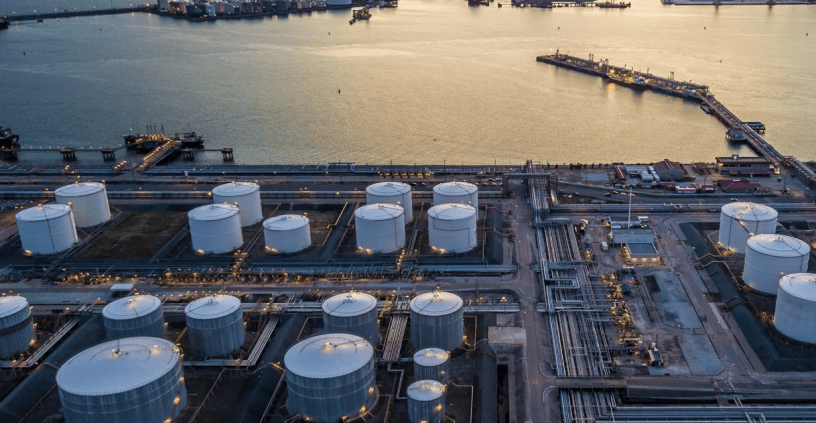
Oil price spiked to around 109 dollars a barrel after reports that Israel (in coordination with the US) struck Iran’s giant South Pars offshore gas field and associated facilities at Asaluyeh, sharply raising supply and war‑risk fears in energy markets.
Event Details
The strikes, attributed to US-Israeli forces, targeted parts of the South Pars field—responsible for about 75% of Iran’s natural gas production—and facilities in Assaluyeh. Iranian officials reported no casualties, with firefighting efforts containing blazes, though the attack marks a first on Iran’s economic infrastructure.
The attack comes after Tehran threatened to hit energy infrastructure sites in Qatar, Saudi Arabia and the United Arab Emirates in response to an earlier Israeli strike on a large Iranian gas field shared with Qatar.
Price Impact
Brent crude rose around 5-6% to near $109, while WTI climbed toward $98 per barrel on March 17-18, 2026. Prices have climbed roughly 40% since the broader conflict began on February 28.
Read also : The Private Investor Deal Evaluation Handbook
In the case of Brent crude, ongoing hostilities could push prices up to $120 a barrel, and even up to $150 a barrel if the conflict extends into the second half of the year, says Citi Research in a note.
Broader Context
South Pars, shared with Qatar, supplies mostly domestic needs, limiting direct global gas disruptions but signaling risks to Gulf energy sites. Iran has vowed retaliation against energy infrastructure, potentially prolonging supply fears.
Read also : Tax Management strategies for Digital Nomads
Our community already has nearly 220,000 readers!
Subscribe to our Telegram channel
Follow us on Telegram, Facebook and Twitter
© Copyright 2026 – Eurasia Business News. Article no. 2050
 Eurasia Business News