
By Anthony Marcus for Eurasia Business News, April 7, 2026. Article n°2080
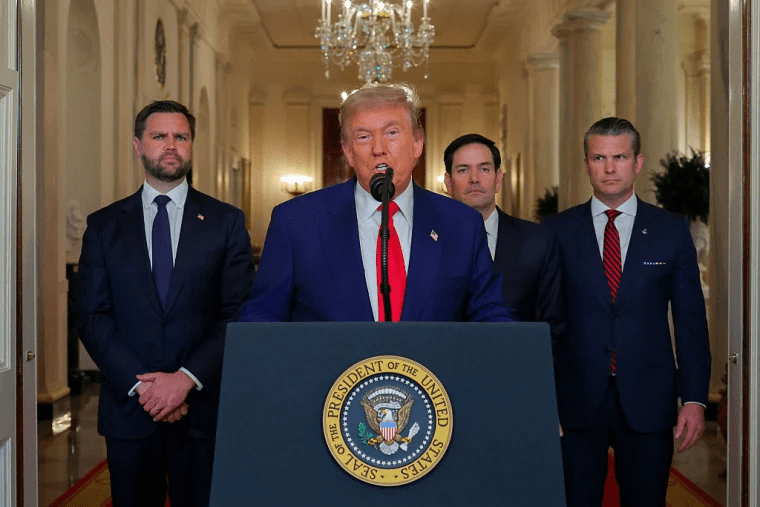
Trump is drawing sharp criticism after warning that “a whole civilization will die tonight” in Iran if Tehran misses his deadline. Media coverage shows the remark was widely reported as a major escalation in rhetoric and linked to U.S. pressure over the Strait of Hormuz and Iranian infrastructure.
Trump posted on Truth Social that “a whole civilization will die tonight, never to be brought back again,” while also implying that U.S. strikes and regime change could follow if Iran does not comply. CBS News and CNBC reported that the threat came alongside warnings about bridges, power plants, and the Strait of Hormuz.
Why it drew criticism
Critics see the language as extreme because it suggests collective punishment and mass destruction rather than limited military coercion. The Atlantic also framed the episode as part of a broader pattern of unchecked presidential rhetoric.
The comments increase the risk of miscalculation because they raise the political cost of backing down on both sides. Markets are likely to keep pricing in higher oil risk and broader geopolitical volatility as long as the deadline and military threats remain in place.
What is realistic
The U.S. president could order conventional airstrikes, cyber operations, or other non-nuclear military actions. Using nuclear weapons would be an extreme escalation with massive legal, strategic, and political consequences, and nothing in the sources indicates Trump has signaled that kind of step. There cannot be nuclear strike since the Straits of Hormuz would be contaminated for decades with radioactive pollution. More than 20 million barrels of oil and petroleum liquids per day normally transit the Strait of Hormuz, of 20% of world oil, but now daily traffic is reportedly down by about 95%
In addition, war involving Iran illustrates the integration of economic pressure with military escalation. Financial sanctions, payment system exclusion, and export controls by the U.S. and its allies now operate as components of a broader strategic toolkit. On the other side, Iran closed the Straits of Hormuz and has targeted the oil tankers trying to navigate through it, provoking an oil price crisis worldwide.
Our community already has nearly 235,000 readers!
Subscribe to our Telegram channel
Follow us on Telegram, Facebook and Twitter
© Copyright 2026 – Eurasia Business News. Article no. 2080
 Eurasia Business News