
By Swann Collins, investor, writer and consultant in international affairs – Eurasia Business News, April 28, 2026. Article no. 2094
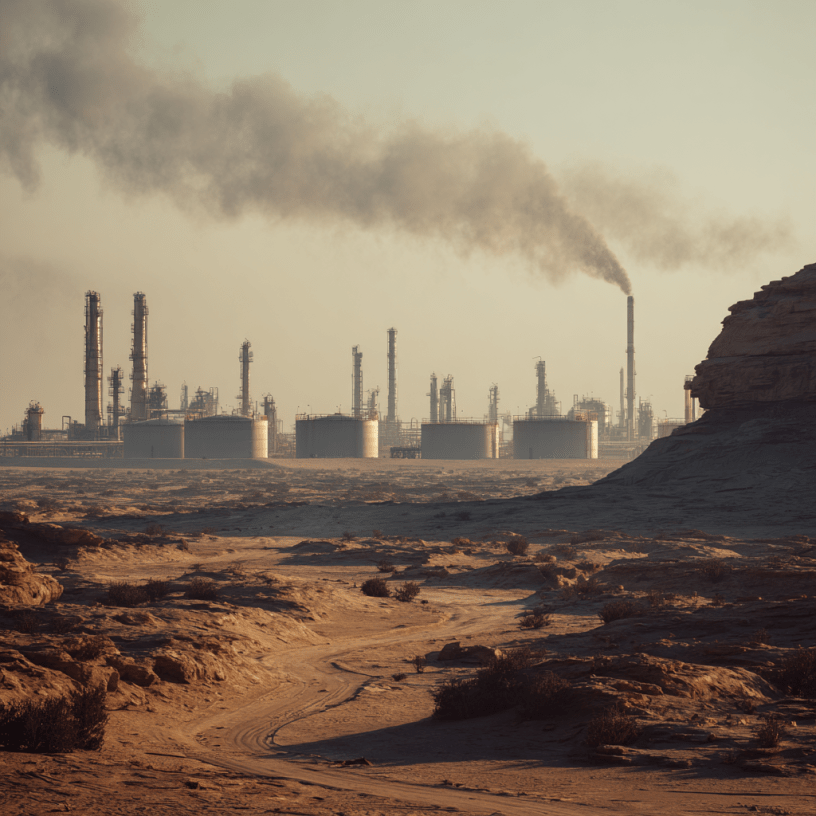
UAE Energy Minister Suhail al-Mazrouei said that the country has decided to withdraw from OPEC from May 1, 2026. Emirates has been a member of the organization since 1967.
By 2027, the UAE plans to increase its production capacity to 5 million barrels per day.
The UAE will also withdraw from the OPEC+ alliance formed in 2016. It includes 12 major OPEC members, as well as 10 other major producers, including Russia, Mexico and Kazakhstan.
OPEC’s ability to coordinate production cuts and stabilize prices will weaken, which usually means more volatility rather than a simple one-way price move.
The cartel controls 36% of the world’s oil production and almost 80% of proven reserves.
Oil market impact
The UAE is one of OPEC’s most important and most compliant producers, so losing it reduces the OPEC group’s credibility and potentially its effective capacity by a meaningful margin.
According to OPEC, oil production in the UAE in January-February 2026 was about 3.4 million barrels per day. In March, missile strikes and drone attacks damaged production facilities, causing production to drop to 2.1 million barrels.
The UAE wants more freedom to expand output, which could eventually add supply and put downward pressure on prices if exports can reach the market smoothly. But with Gulf tensions and the Strait of Hormuz crisis disrupting flows, the short-run effect may be constrained by logistics rather than policy alone.
By 2027, the UAE plans to increase its production capacity to 5 million barrels per day. The country seeks to maximize profits from oil sales before its reserves begin to run out. According to some estimates, this could happen as early as 2040.
World economy impact
For the world economy, the main risk is higher and less predictable energy costs, which can feed inflation, squeeze consumer spending, and complicate central-bank policy. Import-dependent economies would feel that first, especially through transport and manufacturing costs. If the UAE’s move triggers more fragmentation inside OPEC, markets could face more frequent price swings even if average prices do not rise dramatically.
Read also : The Real Reason Global Conflict Risk Is Rising
Strategic meaning
This also signals a shift in oil geopolitics: the UAE appears to be prioritizing production flexibility and long-term market share over cartel discipline. That puts pressure on Saudi Arabia and could encourage a looser, less coordinated global oil market. In practice, the announcement matters as much for what it says about future behavior as for immediate barrels on the market.
Read also : The Private Investor Deal Evaluation Handbook
Our community already has nearly 245,000 readers!
Subscribe to our Telegram channel

