
By Alexander Miller, consultant in energy markets. – Eurasia Business News, October 27, 2026. Article no 3232
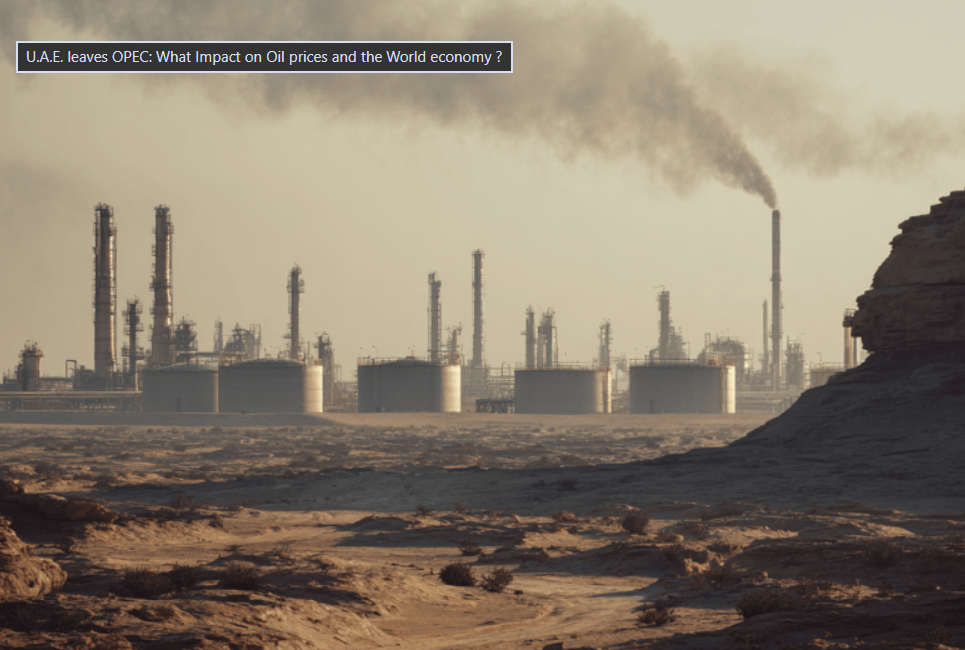
Oil futures declined on Tuesday, October 27, as renewed diplomatic efforts to contain the Middle East conflict reduced immediate fears of further supply disruption. Brent crude slipped below $115 a barrel during European trading, while U.S. West Texas Intermediate approached $101. However, continuing attacks on Saudi Arabia limited losses and kept prices near multimonth highs.
The pullback reflected cautious optimism rather than confidence that a settlement was imminent. Traders weighed talks involving Iran, Saudi Arabia, Turkey and Pakistan against the possibility of fresh military escalation and further damage to energy infrastructure.
Brent and WTI Oil Prices on October 27
By 13:11 GMT, Brent crude futures were down $1.00, or 0.86%, at $114.81 per barrel. WTI futures fell 78 cents, or 0.77%, to $100.98. These were intraday quotations, not confirmed settlement prices.
The decline followed Monday’s retreat, when Brent settled at $115.81 and WTI at $101.76. Both benchmarks remained substantially elevated after last week’s rally, which produced weekly gains of approximately 6% for Brent and 2.3% for WTI.
Tuesday’s trading was uneven. Earlier Reuters reporting showed Brent at $116.26 and WTI at $102.16, illustrating how quickly headlines shifted sentiment. The later decline therefore represented a reversal of earlier gains rather than an uninterrupted slide.
Tehran Talks Ease Immediate Supply Fears
Saudi Arabia, Turkey and Pakistan held discussions with Iranian officials in Tehran on Monday. Saudi authorities said the visit aimed to establish negotiating channels and prevent a return to military escalation. Iranian state media reported that the countries agreed to continue discussions on peace and security.
For oil traders, the prospect of sustained dialogue reduced some of the geopolitical premium embedded in prices. That premium reflects the possibility of future disruption—not necessarily barrels already removed from the market.
However, agreement to continue talking is not a ceasefire, a peace settlement or a guarantee of uninterrupted exports.
Saudi Attacks Keep a Floor Under Prices
Renewed Houthi attacks on Saudi Arabia continued to undermine hopes of immediate stability. Threats to a major producer’s infrastructure and regional shipping kept investors reluctant to price in a rapid normalization of supplies.
UBS said it expected Brent to remain elevated near $110 through year-end, citing volatile Middle Eastern supply and geopolitical uncertainty. That is a forecast, not an assured price floor.
What Oil Investors Should Watch Next
The decisive issue is implementation: whether diplomatic contacts produce verifiable reductions in attacks and more dependable energy flows.
Tuesday’s retreat showed that diplomacy can remove part of oil’s risk premium. A durable decline will require more than encouraging statements, particularly while attacks continue and the threat of renewed U.S.–Israeli action remains unresolved.
Our community already has nearly 345,000 readers!
Subscribe to our Telegram channel
Follow us on Telegram, Facebook and Twitter
© Copyright 2026 – Eurasia Business News. Article no. 3232

