
By John Meyer, consultant in financial affairs – Eurasia Business News, August 10, 2026. Article No 3072
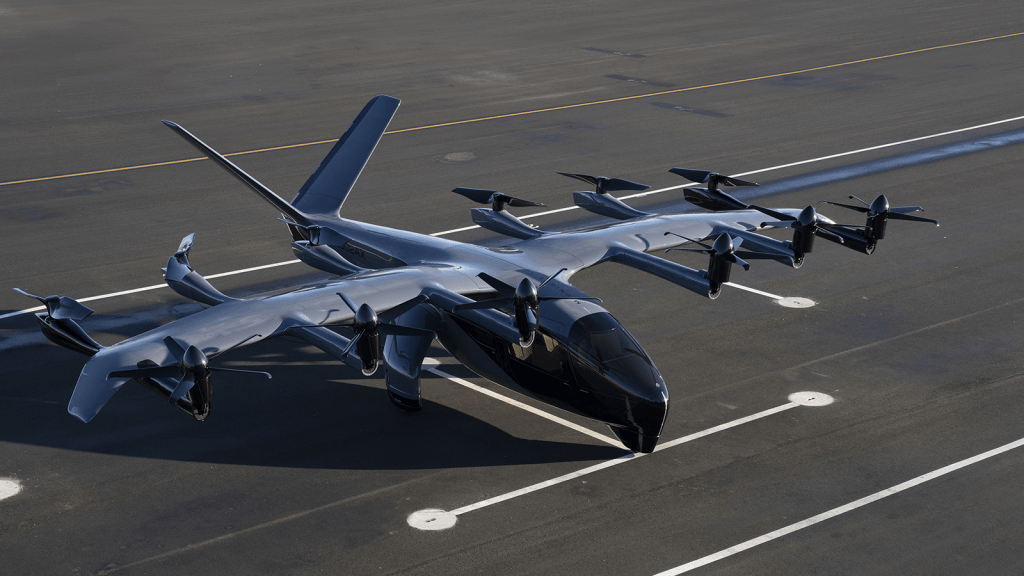
The Boeing Company (NYSE: BA) and Archer Aviation Inc. (NYSE: ACHR) today announced the companies have signed definitive agreements in which Archer will acquire Boeing’s Wisk Aero, SkyGrid and Insitu subsidiaries. The deal will combine complementary capabilities developed over decades in autonomy, electric vertical takeoff and landing (eVTOL) aircraft, and unmanned aircraft systems (UAS) – creating a groundbreaking end-to-end physical AI platform for aerospace and defense.
The Boeing Company and Archer Aviation have signed definitive agreements under which Archer will acquire three Boeing subsidiaries—Wisk Aero, SkyGrid, and Insitu—in a transformative deal for autonomous aviation, electric vertical takeoff and landing aircraft, and unmanned systems. In exchange, Boeing will receive a 16.5% stake in Archer and enter a strategic collaboration and technology-sharing arrangement with the company.
The proposed transaction brings together Archer’s air-taxi, unmanned-aircraft, and artificial-intelligence ambitions with aerospace technologies developed by Boeing-backed businesses over decades. The companies describe the combination as an end-to-end “physical AI” platform for commercial aerospace, defense, and air-traffic management. Physical AI refers to artificial intelligence that can operate in and respond to real-world physical environments—an essential capability for aircraft operating autonomously or with limited human intervention.
Archer Aviation Expands Beyond eVTOL
For Archer Aviation, the acquisition is a major step beyond its original focus on electric air taxis. The company is pursuing a more diversified aerospace and defense strategy, using its ZEE artificial-intelligence foundation model as a central technology layer. Wisk, SkyGrid, and Insitu are expected to contribute autonomy systems, aircraft expertise, software, operational data, and established customer relationships to that effort.
Their collective experience is substantial. The businesses have accumulated nearly two million combined flight hours, according to the companies. That operational history could be important as Archer seeks to develop, certify, and commercialize autonomous systems in an aviation sector where safety validation, reliable software, and regulatory approval remain critical barriers to entry.
Wisk Aero adds deep eVTOL and autonomous-flight expertise. It has designed, built, and flown six generations of eVTOL aircraft and conducted more than 1,700 flight tests. Its technology includes a next-generation flight-control computer, radar, sensors, and autonomy capabilities designed with potential civil and defense certification in mind.
Defense and Airspace Technology
Insitu provides Archer with an established uncrewed-aircraft systems business, including intelligence, surveillance, and reconnaissance platforms. Insitu has manufactured and deployed more than 3,500 UAS and supports operations worldwide. Its systems are used by the armed forces of 35 nations, while its defense business generates more than $200 million in annual revenue based on current financials and estimates.
That revenue base could materially change Archer’s profile. Rather than relying mainly on the longer-term commercialization of eVTOL services, Archer would add an operating defense franchise with deployed products, international customers, and recurring support activity. The deal also places the company in markets where demand for resilient drones, surveillance tools, and AI-enabled mission software is rising.
SkyGrid, meanwhile, supplies a ground-based and aircraft-agnostic air-traffic-management solution. Its platform is intended to support the safe integration of automated aircraft into shared airspace. This capability may prove essential as drones, eVTOL aircraft, and autonomous systems move from isolated trials toward broader commercial operations.
Boeing Retains Strategic Exposure
Boeing is not fully exiting the technologies it helped develop. Through the partnership, it will retain access to Wisk’s core autonomous-flight technology for its existing and future commercial and defense aircraft. Boeing will also preserve potential financial upside through its 16.5% Archer stake while concentrating direct investment on its core businesses.
Read also : Tax Management strategies for Digital Nomads
The agreement remains subject to customary closing conditions, including the expiration or termination of the waiting period under U.S. antitrust law. The companies expect the transaction to close by the end of 2026.
If completed, the Boeing-Archer deal could reshape Archer into a broader advanced-aviation company spanning autonomous flight, eVTOL aircraft, military drones, airspace intelligence, and AI software. Its success, however, will depend on regulatory progress, integration execution, and the ability to turn complementary technology portfolios into commercially scalable aviation products.
Our community already has nearly 300,000 readers!
Subscribe to our Telegram channel
Follow us on Telegram, Facebook and Twitter
© Copyright 2026 – Eurasia Business News. Article no. 3072
 Eurasia Business News