
By John Meyer, consultant in business and foreign investment – Eurasia Business News, November 24, 2026. Article no 3284
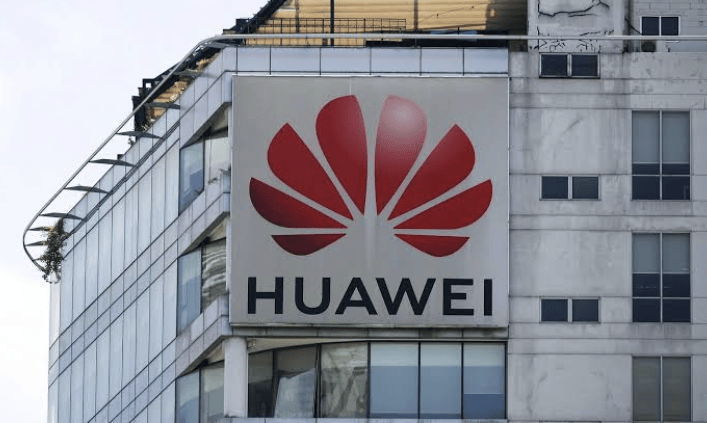
A federal jury in Brooklyn convicted Huawei Technologies on 10 of 12 criminal counts Tuesday, November 24, 2026. It found the company guilty of fraud, money laundering, sanctions-related offenses and conspiracy to steal trade secrets. It acquitted Huawei of racketeering conspiracy, the most serious charge, and of conspiracy to obstruct justice.
The result gives both sides something to claim. Prosecutors secured convictions in a rare U.S. criminal case against a foreign corporation. Huawei avoided a verdict that it operated as a criminal enterprise.
What the Jury Decided
Huawei and three affiliates faced 12 charges. Reuters said they included racketeering conspiracy, bank fraud, wire fraud, sanctions violations, conspiracy to steal trade secrets and conspiracy to obstruct justice. The jury convicted on the others. SCMP reported that those included violations of the International Emergency Economic Powers Act and money laundering.
The jury deliberated for about four days after a trial that outlets described in different ways, from two months to 11 weeks. Treat that discrepancy as unresolved in the reporting reviewed here. The verdict itself is consistent across Reuters, AP, BBC and Bloomberg: guilty on 10 counts, not guilty on two.
Why the Racketeering Acquittal Matters
The racketeering charge was central to the government’s narrative. Prosecutors alleged that Huawei operated as a corrupt enterprise that used deception and theft to expand around the world. A conviction would have required jurors to agree that the company acted like a criminal enterprise.
Huawei lawyer Brian Heberlig called the acquittal a “profound rejection” of the government’s account of the company. Huawei said in a statement that it “confirms that these allegations lack factual basis” and vindicates its position over eight years.
That claim needs careful reading. The jury rejected the racketeering and obstruction counts, but it still found Huawei guilty on the others. It did not clear the company of wrongdoing; it declined to adopt the broadest version of the prosecution’s theory.apnews+1
Allegations Behind the Convictions
Prosecutors argued that Huawei deceived HSBC and other global banks about its business in Iran. According to SCMP, they said Huawei presented its Iran-linked affiliate Skycom as an independent entity that was not subject to U.S. financial sanctions. Reuters tied the case to Huawei’s alleged use of the U.S. banking system for Iran-related business.
The trade-secret allegations involved American companies including T-Mobile and Cisco. Jurors convicted Huawei of conspiracy to steal trade secrets, money laundering, bank fraud and wire fraud, among other counts.
Prosecutors also accused Huawei of helping Iran spy on its citizens. That was part of the government’s case as described in coverage, but the verdict reports reviewed here do not break down which count related to which factual allegation.
Background of the Case
The prosecution began in 2018, and the U.S. government placed Huawei on a trade blacklist the following year, restricting its access to American technology. The case also involved the arrest of CFO Meng Wanzhou in Canada. Reuters said she had been secretly indicted on charges of misleading an HSBC banker about Huawei’s Iran business.
Meng was later released and her U.S. charges were resolved through a deferred prosecution agreement, according to a summary in Forth. The prosecution of the company continued separately and has now reached a verdict.
What Happens Next
Huawei said it will appeal the convictions. Sentencing and any penalties were not described in the verdict coverage reviewed here, so the practical consequences remain uncertain. A criminal conviction of a corporation does not carry prison time in the same way as an individual conviction, but the legal and financial consequences could still be significant.
The verdict could also have implications beyond the courtroom. The Journal said the case is part of a broader fight over technology, security and trade between the United States and China. Reuters described the proceeding as sprawling, and Bloomberg called it a rare U.S. prosecution of a foreign corporation.
What the verdict does not do is answer every question about Huawei’s global business. The jury considered specific criminal charges. It did not issue a general judgment on the company’s technology, security risk or commercial future.
Our community already has nearly 355,000 readers!
Subscribe to our Telegram channel
Follow us on Telegram, Facebook and Twitter
© Copyright 2026 – Eurasia Business News. Article no. 3284

