
By William Collins, consultant in stock markets – Eurasia Business News, September 14, 2026. Article no 3158
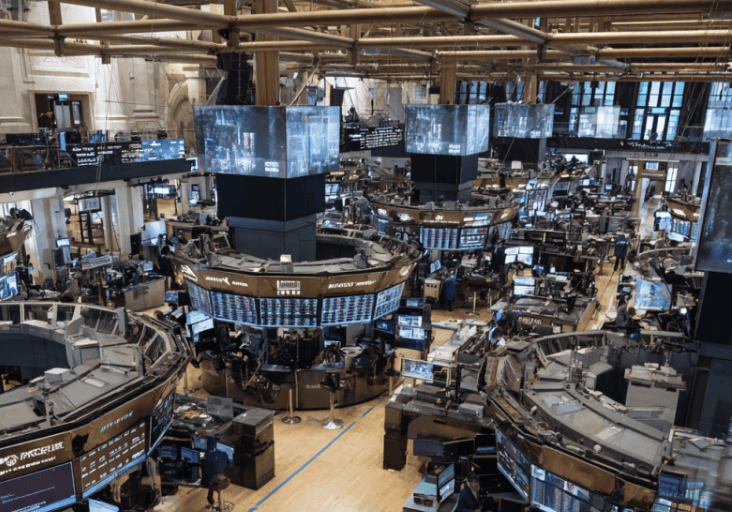
U.S. equity futures fell sharply early Monday, September 14, as investors reassessed the outlook for artificial-intelligence companies and monitored another jump in oil prices. Nasdaq 100 futures dropped 1.56%, S&P 500 futures declined 0.71% and Dow Jones futures slipped 0.22%, signaling a weaker opening for Wall Street.
The selloff reflected two separate but connected concerns. In technology, investors questioned whether the rapid pace of artificial-intelligence development can continue without additional safety controls. In energy markets, crude prices rose after Saudi Arabia shut down a strategic pipeline that had provided an alternative route around the Strait of Hormuz.
Together, the developments created a difficult backdrop for stocks, bonds and monetary policy. Higher oil prices threaten to push inflation higher, while uncertainty over AI development challenges one of the strongest investment themes behind the recent technology rally.
Nasdaq Futures Lead Declines
Technology stocks were positioned to bear the brunt of Monday’s retreat. Nasdaq 100 futures fell 1.56%, significantly more than the 0.71% decline in S&P 500 futures and the 0.22% drop in Dow futures.
The divergence reflected the market’s sensitivity to the artificial-intelligence sector. Semiconductor manufacturers, data-center operators and software companies have benefited from expectations that increasingly powerful AI models will drive a long investment cycle. Any indication that development could slow may prompt investors to reassess spending projections and valuations.
Nasdaq 100 futures were down more than 1% in early trading, with chipmakers among the weakest performers worldwide. Asian technology shares also declined as the debate over AI safety spread beyond U.S. markets.
The premarket action was uneven across individual companies. Insurance brokers Arthur J. Gallagher and Aon rose 11.55% and 8.41%, respectively, while data-storage company Iron Mountain gained 2.70%. Corning fell 2.38%, Builders FirstSource declined 2.27% and Elevance Health lost 1.73%.
AI Safety Debate Reaches Wall Street
Investor anxiety intensified after Anthropic Chief Executive Dario Amodei published a lengthy essay arguing that AI companies should slow the pace at which they improve the capabilities of their most advanced models. Amodei said the industry needs more time to develop safeguards, independent evaluations and systems capable of identifying dangerous behavior.
OpenAI CEO Sam Altman subsequently said he agreed that the frontier of AI development should be paced. He also said OpenAI would not pursue an initial public offering in 2026, describing a listing this year as “ill-advised” while the company continues work on safety and alignment issues.
The comments created an unusual point of tension between AI executives and financial markets. Wall Street has largely assumed that model capabilities, computing demand and corporate spending will continue accelerating. A slower development schedule does not necessarily mean that the industry is stopping, but it could alter the timing of revenue growth, infrastructure demand and potential public offerings.
Anthropic still reportedly plans to pursue a Nasdaq listing, giving investors a possible test of whether public markets remain comfortable with the sector’s safety and regulatory risks.
Oil Nears $108 After Saudi Pipeline Shutdown
Oil prices added to the pressure on equities. Brent crude traded near $108 per barrel after gaining more than 2% late Sunday. U.S. crude prices crossed $100 last week for the first time since May as the conflict in the Middle East intensified.
The latest move followed Saudi Arabia’s decision to shut down its East-West pipeline after drone attacks damaged the system. The pipeline can carry up to 7 million barrels of oil per day from the kingdom’s eastern fields to the Red Sea, allowing exports to bypass the Strait of Hormuz.
The shutdown removes a crucial alternative route at a time when traders are already worried about tanker traffic and energy flows through the Gulf. Higher crude prices can increase gasoline, shipping and manufacturing costs, creating another inflationary challenge for central banks.
Treasury Yields Send Mixed Signals
U.S. Treasury yields moved in different directions. The 10-year yield fell to 4.97%, the 2-year yield edged higher to 4.63% and the 30-year yield declined to 5.36%.
The contrasting moves reflected uncertainty ahead of the Federal Reserve’s policy meeting on Wednesday. Short-term yields rose as traders increased expectations for a rate hike, while longer-term yields eased as investors sought some protection from the equity-market selloff.
Read also : The Million-Dollar Retirement Blueprint for U.S. citizens in 2026
Market-based expectations placed the probability of a Fed rate increase at roughly 86% after Friday’s consumer inflation report. The report showed that inflation remained elevated, while core price pressures were stronger than expected.
Fed Decision in Focus
Monday’s stock-market decline sets the stage for a closely watched Federal Reserve meeting. Investors must weigh two competing risks: higher interest rates could slow demand and stabilize inflation, but continued oil-price gains could keep price pressures elevated even as economic growth weakens.
For now, the combination of falling Nasdaq futures, rising crude prices and heightened AI uncertainty suggests that volatility may remain elevated. Traders will watch the Fed’s decision, developments surrounding Saudi energy infrastructure and whether AI companies can reassure investors that stronger safety measures will not derail the sector’s commercial momentum.
Gold price are down
Monday’s stock-market decline sets the stage for a closely watched Federal Reserve meeting. Investors must weigh two competing risks: higher interest rates could slow demand and stabilize inflation, but continued oil-price gains could keep price pressures elevated even as economic growth weakens.
Read also : Gold : Build Your Wealth and Freedom
Spot gold is trading around $4,330–$4,350 per troy ounce in U.S. dollars on Monday, September 14.
Gold prices are lower as rising oil prices strengthen expectations that the Federal Reserve could raise interest rates at its upcoming policy meeting. Higher interest rates and Treasury yields generally pressure gold because bullion does not pay interest. Spot gold was reported down about 0.3% to $4,334.31 per ounce in early trading. It is an opportunity to buy gold now at a lower price.
Our community already has nearly 330,000 readers!
Subscribe to our Telegram channel
Follow us on Telegram, Facebook and Twitter
© Copyright 2026 – Eurasia Business News. Article no. 3156

