
By Swann Collins, investor, writer and consultant in international affairs – Eurasia Business News, October 26, 2026. Article no 3227
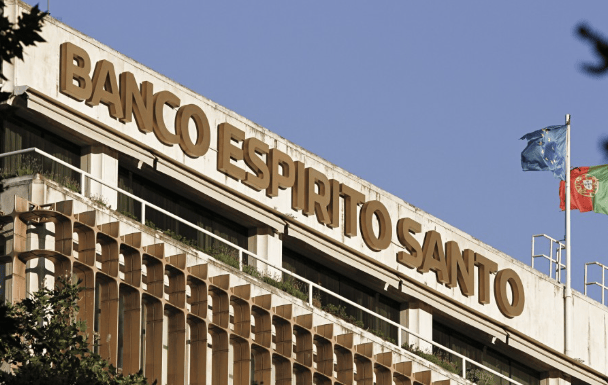
Affiliates of two U.S. hedge funds have applied to annul an ICSID award dismissing their investment claims against Portugal over the collapse of Banco Espírito Santo, reopening the procedural battle after the country secured its first victory at the World Bank’s investment-dispute forum. The challenge was reported on October 26, after the award became public.
The dispute is Suffolk (Mauritius) Limited, Mansfield (Mauritius) Limited and Silver Point Mauritius v. Portuguese Republic, ICSID Case No. ARB/22/28. Although associated with American hedge funds, the claimants are Mauritian entities—a distinction relevant to the legal framework governing their investments.
Portugal’s Victory Was Jurisdictional
The tribunal dismissed the case for lack of jurisdiction, rather than deciding that every contested banking measure complied with international law. That distinction limits what can be inferred from Portugal’s victory: the investors failed to clear the threshold required for the tribunal to adjudicate their claims.
According to Mealey’s reporting on the published award, the tribunal majority found that the investors were pursuing contradictory claims in Portuguese courts concerning their investment in a bank loan. The dissenting arbitrator considered the award procedurally improper.
The disagreement matters because the challenge now moves from whether the investors could pursue their original claims to whether the award itself contains a defect meeting ICSID’s strict annulment requirements.
How the Banco Espírito Santo Collapse Led to Arbitration
Banco Espírito Santo’s collapse became one of Portugal’s most significant financial crises. In August 2014, the bank recorded losses of approximately €3.577 billion linked to its exposure to debt within the Espírito Santo group. Portuguese authorities placed the bank into resolution, triggering prolonged litigation over the treatment of affected financial interests.
The hedge-fund affiliates’ arbitration concerned alleged harm to their investment in a bank loan. It therefore belongs to the wider aftermath of the banking resolution, but should not be confused with every dispute involving Banco Espírito Santo, Novo Banco or their creditors.
Read also : France Riots: How Investors Can Seek Compensation for Damaged Assets
Portugal’s successful outcome was first reported in June 2026. ICSID made the award public on October 20, bringing greater visibility to the tribunal’s reasoning and its internal disagreement.
What ICSID Annulment Actually Means
The investors’ application is an annulment request, not an ordinary appeal. An ICSID ad hoc committee cannot simply rehear the case because a party believes the tribunal misunderstood the facts or reached an incorrect legal conclusion. Its mandate is limited to the grounds specified in Article 52 of the ICSID Convention.
Those grounds are:
- Improper constitution of the tribunal.
- Manifest excess of powers.
- Corruption by a tribunal member.
- A serious departure from a fundamental procedural rule.
- Failure to state the reasons supporting the award.
The publicly available reporting reviewed here does not establish which specific grounds these claimants invoked. The dissent’s procedural criticism may attract attention, but it should not be treated as proof of the application’s contents—or evidence that annulment will succeed.
Why Parallel Proceedings Matter
The case highlights the importance of consistency between domestic litigation and investment arbitration. Arguments advanced before national courts can affect the treatment of related claims before an international tribunal, particularly where they concern the nature of the same alleged investment or injury.
Read also : Gold : Build Your Wealth and Freedom
However, the award should not be reduced to a universal rule that investors cannot pursue domestic and international remedies simultaneously. The precise procedural conditions, treaty provisions and positions taken by the parties must be examined.
What Happens Next?
An annulment committee will assess the challenge within its limited Convention mandate. If an award is annulled, that does not automatically produce compensation: the dispute may be submitted to a new tribunal under Article 52(6).
For now, Portugal retains its jurisdictional victory. The pending challenge tests the integrity of the award’s decision-making process, not a completed finding that Portugal must reimburse the investors.
Our community already has nearly 345,000 readers!
Subscribe to our Telegram channel
Follow us on Telegram, Facebook and Twitter
© Copyright 2026 – Eurasia Business News. Article no. 3227

