
By Alexander Miller, consultant in energy markets. Eurasia Business News, April 22, 2026. Article n°2089.
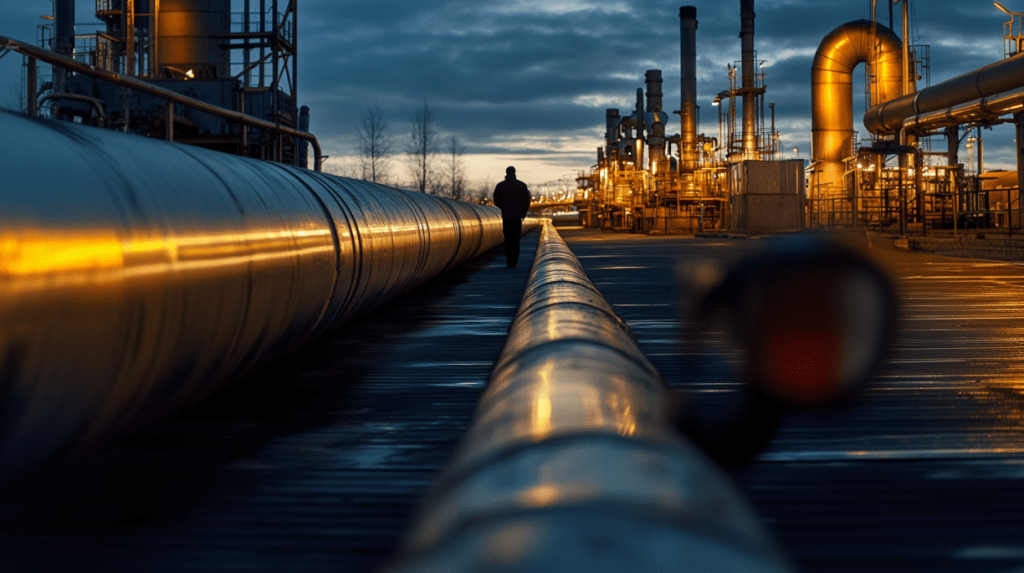
The Reuters reports that crude oil flow through the Druzhba pipeline was set to restart on April 22, after Ukraine said repairs were complete, with an industry source quoted as saying pumping was scheduled to begin at lunchtime. The first shipments were expected to reach Hungary and Slovakia by the next day, and that the restart could help clear the way for the EU’s €90 billion aid package for Ukraine.
“Oil pumping should begin tomorrow at lunchtime,” the source said the day before. According to him, the Hungarian MOL was the first to submit an application for transit, and the first volumes requested by the company “will go in equal shares to Hungary and Slovakia.”
What changed
The pipeline had been halted since January 27 after damage in western Ukraine, with Hungary and Slovakia—its last EU customers still reliant on Russian crude via Druzhba—cut off during the outage. Reuters’ reporting says the Ukrainian side completed repairs and notified Hungary’s MOL that force majeure conditions had ended.
On April 21, the President of Ukraine Volodymyr Zelensky said that Kyiv, “as determined in communication with the European Union,” had completed the restoration of the damaged section of the Druzhba oil pipeline. “Although no one can now guarantee that Russian strikes on the pipeline infrastructure will not be repeated, our specialists have provided the basic conditions for the resumption of the operation of the pipeline system and equipment,” he wrote on Telegram.
Pumping raw materials to Hungary and Slovakia through the southern section of Druzhba stopped in January 2026. Budapest and Bratislava said the transit was stopped for political reasons, while the Ukrainian side insisted that the pipeline was damaged by Russian strikes and needed repairs.
Read also : As Ukraine’s War Enters Its Fifth Year, What to Expect in 2026 ?
As a result, in February, Hungary, led by Prime Minister Viktor Orban, vetoed financial assistance to Ukraine from the EU budget, as well as the approval of a new sanctions package against the Russian Federation and demanded to restore oil transit through Druzhba to remove the bloc.
Why it matters
The restart is politically significant because energy flows through Druzhba have been tied to broader EU-Ukraine tensions, including Hungary’s earlier resistance to the aid package. The reported resumption also means the short-term supply disruption for Hungary and Slovakia is likely ending.
Our community already has nearly 240,000 readers!
Subscribe to our Telegram channel
Follow us on Telegram, Facebook and Twitter
© Copyright 2026 – Eurasia Business News. Article no. 2089

