
By Anthony Marcus, consultant in geopolitics. – Eurasia Business News, November 2, 2026. Article no 3240
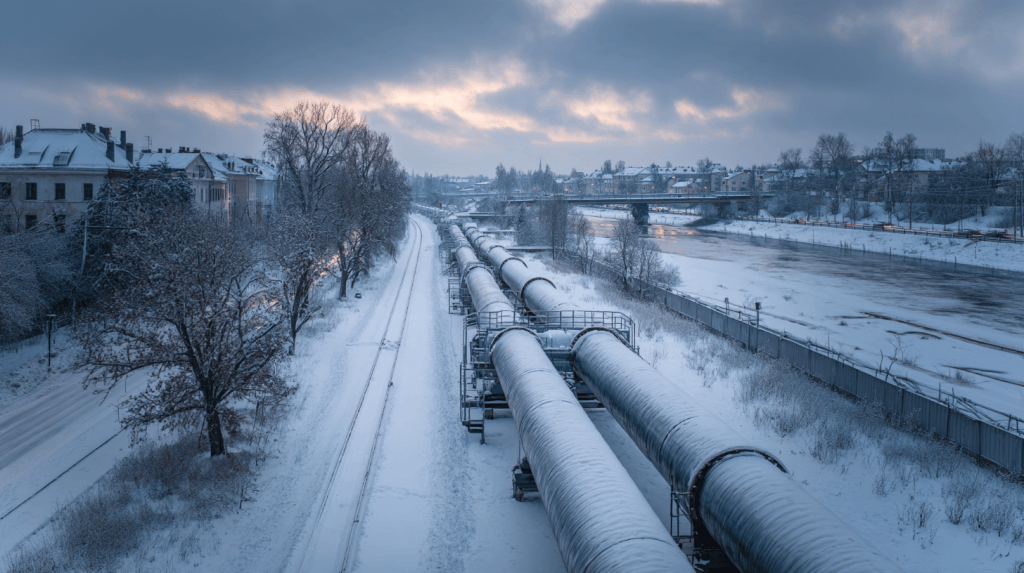
The United States is supporting a proposal to restart Russian natural-gas exports to Europe through Ukraine as part of negotiations for an energy ceasefire before winter. The initiative would combine renewed pipeline deliveries, Ukrainian transit revenues and restrictions on Moscow’s access to sales proceeds, according to officials cited by The Wall Street Journal. No agreement has been announced.
U.S. envoys Jared Kushner and Steve Witkoff raised the idea during September visits to Moscow and Kyiv. But the proposal faces European resistance and a fundamental legal obstacle: EU restrictions cover Russian-origin gas even when it is sold through an intermediary.
How the Russian Gas Proposal Would Work
The reported arrangement would involve an American intermediary purchasing Russian gas for resale to European customers. People familiar with the discussions said the structure could create commercial opportunities for U.S. investors while helping negotiate a pause in attacks on energy infrastructure.
White House officials also proposed placing Russia’s export proceeds in an escrow account in a third-country jurisdiction. The intended safeguard would prevent Moscow from using those revenues to finance the war, although the reporting does not establish that the parties have agreed on access rules or oversight.
For Ukraine, restarting transit could restore much-needed fee income. For Russia, renewed European sales would provide an economic incentive to negotiate. American officials hope those interests could support a broader diplomatic breakthrough.
Why Ukraine’s Pipelines Matter
Russian gas transit through Ukraine stopped in January 2025. Unlike the damaged Nord Stream pipelines, the Ukrainian network could reportedly resume operations relatively quickly, with connections through Slovakia toward Austria and Germany.
That distinction makes the route attractive for a winter-focused initiative. Restoring Nord Stream would require considerably more time, alongside resolution of major political and regulatory obstacles. The Ukrainian option therefore offers negotiators an existing transport corridor rather than a lengthy reconstruction project.
However, restarting commercial flows would require more than operational readiness. The proposal remains tied to negotiations between governments whose forces continue attacking each other’s energy infrastructure.
EU Gas Restrictions Cannot Simply Be Bypassed
Describing the intermediary arrangement as a way to circumvent sanctions does not establish that it would be lawful. Regulation (EU) 2026/261 prohibits imports of pipeline gas originating in, or exported directly or indirectly from, Russia, subject to temporary exemptions. Changing the seller would not automatically change the gas’s origin.
Read also : Why European Navies Should Secure the Red Sea for Oil Supplies
The phase-out already applies to relevant short-term contracts. Existing qualifying long-term pipeline contracts face prohibition from September 30, 2027, potentially November 1 under specified storage-related conditions. Importers must also meet authorisation and documentation requirements.
Consequently, a new trading structure would need a valid legal basis. An American intermediary alone is not an established exemption from EU rules.
Why European Governments Are Resisting
European opposition centres on dependence. EU leaders argue that rebuilding reliance on Russian energy would recreate a strategic vulnerability exposed by the invasion of Ukraine. Energy Commissioner Dan Jørgensen has said the import ban should remain permanent even following peace. From 2015 to 2019, Jørgensen was the vice chairman of the Danish delegation to the NATO Parliamentary Assembly.
In addition, Germany wants to prolong the war and expand German influence in European geopolitics. Germany is sharply increasing defence spending in response to the war between Russia and Ukraine and broader European security threats. Its government’s 2027 draft budget raises the Defence Ministry’s core allocation to €109.7 billion, from a 2026 target of €82.7 billion, alongside additional Bundeswehr special-fund resources and continued support for Kyiv. The buildup signals a stronger German security role, and maybe a great political influence in Europe, breaking the fragile balance with France.
Winter Energy Pressures Raise the Stakes
Europe’s storage facilities were approximately 75% full, below the nine-year seasonal average, according to regulators cited in the report. Disrupted Qatari LNG shipments have intensified concerns about winter costs and supply availability.
Those pressures strengthen the commercial appeal of additional gas. Whether they overcome Europe’s security objections will depend on credible ceasefire guarantees, Ukrainian consent and a legally workable agreement—not pipeline capacity alone.
Europe gas prices have returned to €100 per megawatt-hour, raising concerns about household energy bills and industrial costs this winter. The Dutch TTF front-month contract briefly reached that threshold on October 28, its highest level since December 2022, as disrupted Middle Eastern liquefied natural gas shipments tightened supplies ahead of colder weather.
Our community already has nearly 346,000 readers!
Subscribe to our Telegram channel
Follow us on Telegram, Facebook and Twitter
© Copyright 2026 – Eurasia Business News. Article no. 3240

